Hey everyone, I’m Jake, and for the last seven years, I’ve been deep in the weeds as a PE fire cabinets supplier—think late nights troubleshooting a client’s server room that almost went up in smoke, or a maintenance guy blowing up my phone because his old cabinets stopped sealing right after a water leak. Today I’m here to answer a question I get every single week: Do PE fire cabinets need to be fire-treated regularly? Spoiler alert: It’s not a yes/no that works for every situation, and skipping this step is basically leaving your high-value stuff sitting with a neon “FIRE RISK” sign taped to it. Let’s break this down like I’m chatting with you over a cold coffee after a long job. PE Fire Cabinets
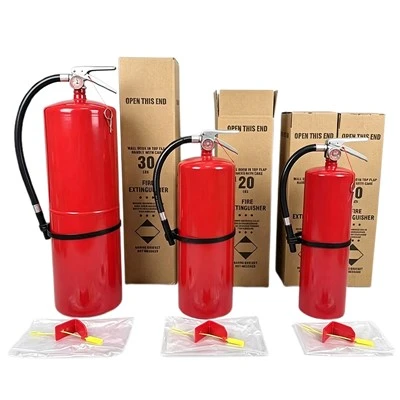
First, let’s get on the same page about what PE fire cabinets even are, because “PE” can mean a lot of random stuff to people who don’t work in this space. For anyone not in the field, PE here stands for Polyethylene—hard, heavy-duty plastic that’s way more durable than the cheap stuff you store garden tools in. These cabinets aren’t your mom’s kitchen storage bins, either. Most of the ones my team supplies are made for holding mission-critical gear: server backups, test chemicals for labs, small medical devices that don’t need a full on-site vault, even the expensive client project files people panic about if a fire hits. The whole point of these cabinets is that they’re rated for a certain amount of time to keep the inside stuff safe from flames, heat, and even smoke damage—usually 30 or 60 minutes, depending on what the client needs.
Now, why does fire treatment even matter? Wait, hold on—let’s skip the jargon for a sec. Fire treatment for these cabinets isn’t slapping on some spray paint that says “HEAT PROOF” and calling it a day. The real, scientific stuff is a layered process: most high-quality PE fire cabinets (like the ones we sell) have a special coating on the inside, and sometimes reinforced seals around the door, that slow down heat transfer. When a fire hits, the last thing you want is the cabinet’s walls turning into a hot plate that melts through and cooks whatever’s inside. But here’s the catch: over time, that coating and those seals don’t stay perfect.
Let’s talk about the wear and tear that sneaks up on you, because most people don’t notice this until it’s too late. First off, daily use. If you’re pulling a server drive out of your cabinet twice a day, or yanking chemical samples for testing, you’re opening and slamming that door a bunch. Those rubber seals around the door? They get compressed, get cracks, even get bits of dust or junk stuck in the grooves. If the seal’s messed up, hot air or smoke can get in like it’s nothing, and the cabinet’s whole fire rating goes out the window. I’ve seen this so many times—small business owners who buy a cheap used PE cabinet, use it for two years, and then wonder why their backup drive melted during a grease fire in the office. Turns out the seal was so cracked, the heat got in in 10 minutes instead of the 30 it should hold.
Then there’s the environmental stuff, which a lot of people sleep on. If your cabinets are inside a warehouse that’s hot all year round, or outside (wait, don’t put a PE cabinet outside in the sun, most of them aren’t rated for UV, but some industrial ones are—even so), the sun, humidity, and even cleaning products can mess with the fire treatment. Let’s say you use a strong chemical cleaner to wipe down your cabinet after a spill—if that cleaner eats away at the inner fire coating, the next time there’s a fire, the cabinet’s walls will heat up way faster. I had a manufacturing client last year who used a industrial degreaser to clean their PE fire cabinets every month; six months later, we tested one for a routine check, and its heat resistance was down 40%. They were shocked, but it’s basic chemistry—those fire-retardant coatings aren’t invincible.
Wait, but hold on—are there cases where regular fire treatment isn’t needed? Yeah, absolutely. If you’re in a climate-controlled office, only open the cabinet once a month, and never spill anything on it, a high-quality PE fire cabinet from a reputable supplier like us can go 5-7 years without a full fire treatment check. But here’s the thing: “check” isn’t the same as “regular treatment.” Most people mix those two up. Treating the cabinet is fixing or reapplying the fire-resistant coating; checking is making sure it’s still working. But even if you only need treatment every few years, skipping those checks and waiting for a fire to happen is like waiting for your car’s brakes to fail before getting them serviced.
Let’s get into the real science here, because I don’t want this to just be me rambling. PE is a thermoplastic, which means it softens when heated. A standard PE cabinet melts at around 120°C, right? But a fire-rated PE cabinet, with the proper fire treatment, is designed to keep the internal temperature below 120°C for its rated time—so the stuff inside doesn’t melt or get damaged. The fire treatment usually works in two ways: either the coating expands when heated to form an insulating layer (intumescent coating, that’s the fancy name), or it releases water vapor when heated to cool the inner walls down. But over time, that intumescent coating can chip, peel, or just break down from exposure to heat, chemicals, or even UV light. So when it’s time for a fire treatment, you’re basically refreshing that layer so it works like it’s supposed to again.
I know what some of you are thinking: “Why can’t I just reapply the coating myself? It’s spray paint, right?” Nope. Don’t do that. There’s a reason PE fire cabinets are tested to specific standards—like UL 9540 or EN 15650, for anyone who cares about the numbers. If you grab a random intumescent spray from a home improvement store and slather it on, it might not bond right to PE, it might not expand correctly when heated, and it could even off-gas toxic fumes if it burns. That’s a huge safety risk, especially if you’re storing chemicals or sensitive electronics. The fire treatment we do (well, the treatment our team offers as part of our cabinet care plan) uses coatings that are specifically formulated for PE, and the application is done to meet those same industry standards. We test every cabinet after treatment to make sure its heat resistance is still on point—something you can’t do with a spray can and a DIY guide.
Now, let’s talk about the cost, because I get it—money’s tight for small businesses, and adding another annual task (or even a every-few-years task) might feel like a hassle. But here’s the hard truth: the cost of replacing the stuff you store in a failed PE fire cabinet is way higher than the cost of a regular fire treatment. A client of ours a couple years back had a small kitchen fire in their restaurant storage area; their server backup (with three years of sales data and client info) was in a PE cabinet that they never had checked or treated. The cabinet failed in 12 minutes, the server melted, and they lost all their data—cost them over $15,000 in recovery fees and lost revenue, plus a bunch of upset regulars. The fire treatment for that cabinet would have cost them less than $300. That’s no contest, right?
Wait, but what if you have newer PE fire cabinets? I hear that a lot. “My cabinet’s only a year old, do I still need to worry?” Yeah, even new ones. We just did a routine check on a batch of 20 brand-new cabinets we delivered to a university lab last month, and three of them had small chips in the inner coating from the delivery process. The driver dropped one of the pallets, and the impact chipped a piece of the coating on the inside. If we hadn’t caught that, the next time there’s a fire drill or an actual fire, that spot would have let heat through right away. So even new cabinets need a check-up, and sometimes a small touch-up treatment, to make sure they’re good to go.
Let’s also clear up a myth I’ve been hearing a lot lately: “PE fire cabinets are outdated, we should get metal ones instead.” Yeah, metal cabinets are great, but they’re heavy, expensive, and if they’re not properly insulated, they can transfer heat too. PE is lighter, more chemical-resistant, and doesn’t rust—perfect for labs, warehouses, or small offices where you don’t want to haul around a 100-pound metal cabinet. But that doesn’t mean they don’t need maintenance. Treating your PE fire cabinet regularly is just part of keeping it working as intended, same as changing the oil in your car or replacing the batteries in your smoke alarms.
So, let’s wrap this up, no nonsense. Do PE fire cabinets need regular fire treatment? The short answer is: it depends, but for almost everyone, yes—at minimum, a full check every 2-3 years, and a fire treatment every 5-7 years, depending on your use case. If you’re in a high-exposure environment (like a warehouse with heat or chemicals, or a busy lab), you might need treatment every 3-5 years. If you’re in a low-use, climate-controlled space, you can stretch it to 7 years, but don’t skip the checks. And for the love of all things safe, don’t try to DIY the treatment—use a reputable supplier like ours that knows exactly how to handle PE and fire safety standards.

Now, if you’re not sure if your current PE fire cabinet is up to snuff, or you need to schedule a treatment for existing cabinets, or you’re in the market for new ones, hit us up. We don’t do any weird hoops, no hidden fees, just straight-up advice that’s actually based on our years of working with these things every single day. At the end of the day, your gear, your data, your peace of mind is worth keeping safe—don’t cut corners on the stuff that’s supposed to protect it.
Fire Hose References
UL 9540: Standard for Fire Test Methods for Energy Storage Systems and Equipment
EN 15650: Fire Resistance Test for Cabinets for the Storage of Dangerous Goods
National Fire Protection Association (NFPA) 70: National Electrical Code, Article 110.26 (Emergency Operations)
American Society for Testing and Materials (ASTM) D638: Standard Test Method for Tensile Properties of Plastics (for PE fire cabinet material durability)
NFPA 101: Life Safety Code, Chapter 12 (Occupancies with Storage of Hazardous Materials)
Shaoxing Weimin Fire Fighting Equipment Co., Ltd.
Shaoxing Weimin Fire Fighting Equipment Co., Ltd. is one of the most professional pe fire cabinets manufacturers and suppliers in China, also supports customized service with low price. Welcome to buy discount pe fire cabinets in stock here and get quotation from our factory. 5 years warranty is available.
Address: CHINA
E-mail: info@weiminfire.com
WebSite: https://www.weiminfire.com/
