If you work in food & beverage, pharma, dairy, or any industry that relies on CIP (Clean-in-Place) systems, you’ve probably stared at a batch of used cleaning solution and wondered: “Wait, do I dump this now… or can I stretch it a little longer?” As a CIP system supplier, I hear this question at least a dozen times a week—mostly from plant managers who are trying to cut costs without cutting corners on hygiene. Let’s break this down the way we explain it to our clients, no overly technical jargon, just real-world science and on-the-ground lessons we’ve picked up from 10+ years installing CIP rigs around North America. CIP Cleaning System
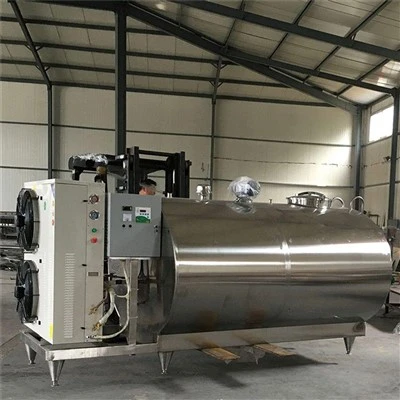
First, let’s get one thing straight: there’s no one-size-fits-all timer for when to replace CIP solution. I’ve seen companies swap their caustic solution every single batch, wasting thousands of dollars a month, and I’ve seen others run it three times longer than recommended only to get a fail on their microbial swabs. The sweet spot depends on three big factors: what you’re cleaning, how dirty the equipment gets, and how well you’re testing your solution. Let’s start with the basics of how CIP solutions work, because that’s where most people mess up.
Caustic (usually sodium hydroxide, or lye for short) is the workhorse of most CIP setups. It cuts through organic gunk—like milk protein, fruit pulp, or chocolate residue—better than almost any other cleaning agent. But here’s the catch: when you use it, it’s not just cleaning; it’s reacting with that gunk. All that protein or fat mixes with the caustic, and after a while, it stops being an active cleaner and becomes a greasy, murky mix of spent chemicals. If you run it too long, that mix will just smear the gunk around the pipes instead of lifting it off. On the flip side, acid solutions (usually nitric or phosphoric) are for removing mineral scale—like hard water deposits or lactic acid buildup in dairy lines. They eat away at those minerals, but once the acid is neutralized or the mineral load hits a threshold, it stops working to clean and starts just hanging around, which can even cause corrosion if left too long.
Now, let’s talk about how often different industries actually replace their solutions. Dairy is a good example: milk has a lot of organic load and mild mineral buildup. Most dairy plants we work with replace their caustic solution every 2 to 3 cycles, and acid every 3 to 4. But that’s not a rule—last year, we installed a CIP system for a small craft cheese maker in Wisconsin that only runs 3 batches a day. They found their caustic was still testing strong after 4 cycles, so they stretched it, saving almost $1,200 a month. On the other end, a large juice plant in Florida we work with runs 8 batches a day of citrus and berry products. The fruit pulp is super thick, so their caustic gets loaded fast. They have to replace it every single cycle, because by the second run, the solution’s pH drops enough that it can’t break down the pectin in oranges. That’s not arbitrary—they tested it: their caustic pH went from 12.5 (ideal for organic cleaning) to 11.2 after one extra cycle, and their swabs started picking up 10x more bacteria on the pipe surfaces.
Another big factor is your CIP system’s recovery loop. If you’re running a single-pass system (meaning you dump the solution after each use), you’re wasting a ton of money—we see that all the time with small plants that don’t know better. But if you’re running a closed-loop system, which recirculates the solution, then the replacement schedule is way more flexible. But even closed-loop systems have limits. I’ve had a client with a pharma CIP setup try to run their caustic for 5 cycles, thinking they were being efficient. When we came to check their system, the solution had picked up enough pharmaceutical residue that it started cross-contaminating the next batch. That’s a huge no-no in pharma, and in food too, for that matter. Cross-contamination isn’t just a regulatory headache—it can ruin entire batches of product. So even if the cleaning performance is still there, you might have to replace it just to avoid that.
Now, how do you actually test when to replace? A lot of plants just go by time, but that’s a mistake. pH test strips are your friend here. For caustic, you want to keep the pH between 12 and 13. If it drops below 11, it’s time to dump it. For acid, the pH should be between 2 and 3 when fresh; once it climbs above 4, it’s spent. But pH is just a quick check. For a more accurate reading, total alkalinity testing (for caustic) and total acid number (for acid) will tell you exactly how much active cleaning agent is left. We recommend doing these tests every cycle during startup, so you get a baseline for your specific line. Once you know what your solution’s performance looks like, you can adjust.
I also see a lot of people skipping the final rinse test, which is a big mistake. Even if your solution tests strong, if you don’t rinse it properly, you’re leaving residue. And that residue will build up over time, making your solution less effective the next time around. It’s a cycle: dirty rinse water = less effective cleaning = more residue = more dirty rinse water. So if your rinse water has high levels of organic matter, that’s a sign you might need to replace your solution sooner, or adjust your CIP cycle time to get a better rinse.
Let’s talk about some common myths I hear all the time. First myth: “If it looks clear, it’s still good.” No way. I’ve seen caustic solution that looked crystal clear, but when we tested it, the active alkalinity was so low it couldn’t clean a coffee stain off a glass. The gunk is dissolved, so it doesn’t make the solution murky until it’s way too late. Second myth: “More solution = longer life.” Nope. Using too much solution means you’re wasting it, and it won’t last longer. You need the right concentration for your load—too strong, and it breaks down fast; too weak, and it doesn’t work. Third myth: “Regulations say you have to replace every cycle.” That’s not true. The FDA and other regulatory bodies just require that your CIP system effectively removes soil and prevents contamination. They don’t care how many cycles your solution goes through, as long as the end result is a clean, safe line. We’ve had several clients pass their audits running closed-loop solutions for 4 cycles, as long as their testing shows the solution is still effective.
So what’s the average timeline you can expect, if you’re doing regular testing? For most small to medium plants:
- Caustic solution (organic loads like dairy, soft drinks, bakery): 2–3 cycles
- Acid solution (mineral loads like beer, water bottling, meat processing): 3–4 cycles
- For high-load plants (juice, specialty chocolate, pet food): 1–2 cycles
- For low-load, small batch plants (craft cheese, craft beer): can stretch to 4–5 cycles, as long as testing checks out
But here’s the thing: even if you follow all these timelines, there are times you have to replace the solution earlier. If you’re switching between products—say, from dairy to soda—you need to replace the caustic solution completely. The milk fat left in the lines will mix with the soda syrup, and that combination is way harder to clean than either alone. Cross-product contamination is not something to mess with. Also, if you see visible debris in the solution, or if your pressure gauge on the CIP system starts reading lower than usual, that’s a sign the solution is loaded with gunk, even if the pH is still decent. Time to dump it.
Now, as a CIP system supplier, we don’t just sell equipment—we help clients get the most out of their systems, and that includes optimizing their solution replacement schedule. Last year, we worked with a large bakery in Chicago that was replacing their caustic every single cycle, spending $18,000 a month on chemicals. We installed a couple quick test kits for them, and in two weeks, they found their caustic was still testing strong after 3 cycles. They adjusted their schedule, and their chemical bill dropped by $6,500 a month. That’s real money for any business, especially post-pandemic when everyone’s trying to keep costs down.
If you’re still guessing when to replace your CIP solution, you’re wasting money and risking hygiene. The good news is it’s easy to get set up with a simple testing routine, and if you have a CIP system that’s not performing as it should, we can take a look. We don’t do one-size-fits-all solutions—we’ll work with your specific line, your product, and your production schedule to figure out the sweet spot that’s both cost-effective and safe.

Don’t keep spinning your wheels on guesswork. Reach out to our team to talk through your CIP setup, get a free consultation, and find out how to optimize your solution replacement schedule. We’ll help you cut costs without cutting corners on quality or compliance.
CIP Cleaning System References:
- FDA. (2022). Baking and CIP System Hygiene Guidelines. U.S. Food and Drug Administration.
- ISO 14698-1:2018. Cleanrooms and associated controlled environments—Biocontamination control—Part 1: General principles and methods. International Organization for Standardization.
- Dairy Science and Technology. (2021). CIP Solution Efficiency and Replacement Schedules for Dairy Processing. Journal of Food Protection.
- American Society of Mechanical Engineers (ASME). (2020). CIP System Design and Operation Standards for Food and Beverage Industries.
Shandong Chenma Machinery Co., Ltd.
Shandong Chenma Machinery Co., Ltd. is one of the most professional cip cleaning system manufacturers and suppliers in China. As we have world-leading production equipment and strong manufacturing capabilities, we warmly welcome you to buy high quality cip cleaning system made in China here from our factory. For price consultation, contact us.
Address: No.1666 Xinluo Street, Jinan City, Shandong
E-mail: admin@sdchenma.com
WebSite: https://www.chenmadairy.com/
