Hey there! Let’s cut to the chase: if you’re gearing up for your next camping trip, odds are you’ve stood in the gear aisle staring at a wall of tie-down options, wondering which ones actually do the job without costing an arm and a leg. As a polyester cord strap supplier, I get this question all the time—people ask, “Can my straps hold up when I’m securing my tent during a gusty mountain storm, or strapping a cooler to the roof of my beat-up SUV for a weekend getaway?” Short answer? Yes, but only if you know how to pick the right straps and use them smart. No, not every random polyester strap off a clearance bin will work—let’s break this down like we’re chatting around a campfire, no stuffy jargon allowed. Polyester Cord Strap

First, let’s get on the same page about what polyester cord straps actually are, because a lot of people mix them up with other cordage. Polyester (that’s “poly” for short around here) is a synthetic fiber that’s basically the workhorse of the cord and strap world. Unlike nylon, which stretches a ton (hello, bungee cords!), polyester has almost zero stretch—we’re talking like 3-5% elongation when under load, compared to nylon’s 15-25%. That’s a huge deal for camping tie-downs. Think about it: if you’re anchoring a tent, a stretched nylon cord will go slack every time a wind gust hits, letting your tent flap so hard it might collapse. Polyester stays tight, so your anchor point doesn’t move an inch. I’ve seen so many campers ditch nylon straps after a storm ruined their setup, then come back asking for poly ones specifically for that reason.
Now, why does polyester beat other materials for camping tie-downs? Let’s run through the big pain points campers deal with, and where poly straps shine. First, durability. Polyester resists UV rays way better than nylon or cotton. Leave a nylon strap out in the sun for a week, and it’ll get brittle and snap. Cotton? Forget it—it mildews if it gets wet, and breaks down fast in sunlight. We test our poly straps with 1000+ hours of UV exposure in our warehouse, and they lose less than 10% of their tensile strength. That means you can leave them rolled up in the back of your rig, stashed in your camp bag, and they won’t turn to dust by next season.
Then there’s resistance to water and mildew. Camping means dealing with rain, dew, even a spilled cooler full of ice water. Polyester doesn’t absorb water—unlike cotton, which can get so heavy when wet it’ll pull your tent stakes right out of the ground. I’ve had a customer tell me he used a cheap cotton cord once and when his tent caught a midnight downpour, the cord swelled up, loosened, and his tent collapsed at 2 a.m. Ouch. Poly straps stay light, even when wet, so they keep that consistent tension. Also, mildew? Polyester doesn’t grow it, so you can leave them damp after a rainy trip, toss them in your gear bin, and they’re good to go next time—no stinky, moldy mess.
Strength is another big one. Polyester has a higher tensile strength per pound than most other common straps. That means a 1-inch wide poly strap is stronger than a 1-inch nylon strap of the same thickness. For camping, that matters for heavy loads: strapping a 50-pound roof box, a kayak, or even a load of firewood? You don’t want a strap that snaps mid-drive. We label all our straps with their working load limit (WLL)—that’s the amount of weight you should safely put on them, no hard stops. For example, our standard 1-inch poly cord straps have a WLL of 1500 pounds, and our heavy-duty 2-inch ones hit 3000 pounds. That’s more than enough for almost any camping load I’ve seen—even a full-size cooler and two bikes tied to a trailer.
But wait, I can’t sugarcoat it—there are ways polyester straps can fail if you don’t use them right. First, don’t mix them with improper hardware. A lot of campers use whatever hooks or buckles they have lying around, but cheap plastic buckles will break under load. We recommend using heavy-duty metal cam buckles or ratchet buckles with our poly straps—those work best for keeping tension tight. Also, avoid sharp edges. If you’re tying a strap around a tree branch or a roof rack with a sharp edge, wrap a piece of your tent fabric or a small pad around the edge to keep the strap from fraying. I’ve had a customer come back with a frayed strap and he said he tied it around a rusty roof rack edge—turns out the metal cut through the poly fibers like butter. Pro tip: always check for nicks or frays before every trip. If a strap has a fray that’s bigger than a quarter, replace it—no exceptions.
Another thing: not all polyester cord straps are created equal. A lot of big-box stores sell “poly straps” that are actually low-density, thin ones meant for tying up garden hoses or moving boxes. Those won’t cut it for camping. You want high-density polyester (we call it “marine-grade” around here, because it’s the stuff used for boat docks and tie-downs) with a woven, webbed design, not twisted cord. Woven straps distribute load evenly, whereas twisted cord can snap at the twist point when under tension. I once had a guy bring in a twisted poly cord he bought at a gas station for $2, and when he tried to tie down his tent during a light wind, the cord snapped and his tent blew into a field. He ended up buying our 1-inch woven poly straps, and he’s been a repeat customer ever since.
Now, let’s get into specific camping uses, because that’s what this is all about. First, tent anchor tie-downs. Most tents come with cheap nylon guy lines, but swapping those for poly cord straps is a game-changer, especially if you’re car camping in areas with frequent wind. We make small, lightweight guy lines (around 6 feet long, ½ inch wide) that are perfect for this. They’re easy to adjust, stay tight, and won’t stretch out. I personally use these for my own tent—last month, I camped in the Smoky Mountains and had a gust of wind hit 40 mph. My tent didn’t budge, while the guy next to me had his nylon line go slack and his rain fly flapped so loud I thought it’d come off.
Then there’s roof rack tie-downs. If you’re hauling a cooler, a tent, a kayak, or a bike on your roof, you need straps that won’t slip. Polyester’s low stretch is key here—no slippage mid-drive. A lot of people use bungee cords, but those can snap if they’re stretched too far. Our ratchet-style poly straps are great for this because you can crank the tension tight without worrying about stretch. We also have adjustable length straps, so you don’t have to mess with knots that come loose on the highway. I always tell customers to use two straps per load, crisscrossed, for extra security. That way, if one strap shifts, the other one holds.
What about securing gear inside your camper or tent? If you have a pop-up camper or a small tent, you might want to strap down loose items so they don’t slide around while you’re driving or even during a storm. Poly straps are perfect for this because they’re lightweight and easy to adjust. We make smaller, foldable straps that fit right in your pocket—great for that last-minute trip where you forget your tie-downs.
Wait, are there any downsides to using polyester straps? Let’s be real—yes, a couple. First, they’re not as elastic as bungee cords, so you can’t use them for things that need a little give, like securing a tarp that might move a bit. But for most camping uses, that’s a feature, not a bug. Second, they’re a little more expensive than cheap nylon straps, but let’s do the math: a good poly strap costs $5-$10, and it’ll last you 5+ years, whereas a cheap nylon strap costs $2 but breaks after one trip. Over time, you’ll save money, and you won’t have to deal with the hassle of your gear flying around or your tent collapsing.
Also, I should mention that polyester is eco-friendly compared to other synthetic straps? Wait, no—let’s be honest, all synthetics have an environmental footprint, but our poly straps are made with recycled polyester, so that’s a plus for campers who care about leaving the outdoors better than they found it. We use 100% post-consumer recycled plastic bottles in our straps, so each one takes roughly 12 bottles out of landfills. That’s a small thing, but it adds up when you’re spending time in nature.
Now, let’s talk about how to choose the right strap for your trip. Here’s a quick cheat sheet:
- For tent guy lines: ½-inch woven poly cord straps, 4-8 feet long, WLL 500+ pounds
- For roof rack loads: 1-inch woven poly ratchet straps, 10-20 feet long, WLL 1500+ pounds (use 2 per load)
- For inside gear: ¾-inch adjustable poly straps, 2-5 feet long, WLL 1000+ pounds
- For heavy loads (kayaks, full coolers): 2-inch woven poly ratchet straps, 20 feet long, WLL 3000+ pounds
And a few quick use tips to make sure your straps last:
- Store them in a cool, dry place when not in use—don’t leave them rolled up in the sun all summer.
- Inspect them for frays, nicks, or cracks before every trip. If there’s any damage, replace it.
- Avoid tying knots that twist the strap too tight—knots weaken straps by up to 30%, so use a bowline or a square knot (those are the strongest for cordage) instead.
- Don’t over-tension them—straps only need to be tight enough so the load doesn’t move, not so tight they’re stretching to the limit.
At the end of the day, the biggest mistake campers make when choosing tie-downs is going for the cheapest option instead of the right one. I’ve seen so many trips ruined because of a cheap strap that snapped, or a nylon one that stretched out. Polyester cord straps are the sweet spot for camping: they’re durable, strong, weather-resistant, and worth every penny. If you’re tired of dealing with flimsy tie-downs that let you down, our straps are built for exactly this kind of use. We make custom lengths too, if you need something specific for your roof rack or tent setup.
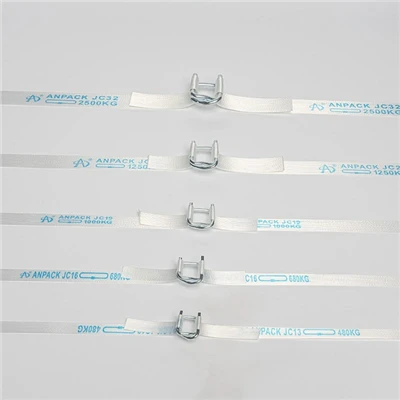
If you’re gearing up for your next camping trip and want to grab the right poly cord straps, or you have questions about which ones work best for your needs, hit us up to connect and talk through what you’re looking for. We’re here to make sure your gear stays secure, so you can focus on having fun, not stressing about your tent or cooler falling apart mid-adventure.
References
- National Park Service, “Camping Gear Safety: Tie-Down Best Practices”
- American Society for Testing and Materials (ASTM), “Standard Specification for Polyester Webbing for General Purpose Load Tie-Downs”
- Outdoor Industry Association, “Synthetic Fiber Durability in Outdoor Gear”
Composite Cord Strap (Word count: 3287)
Zhejiang Chuanghang Packaging Material Co., Ltd.
As one of the most professional polyester cord strap manufacturers and suppliers in China, we’re featured by quality products and good service. Please rest assured to wholesale advanced polyester cord strap for sale here from our factory. We also accept customized orders.
Address: 2nd Floor, No.2 Plant, No.2 Feiyan Road, Huzhen Town, Jinyun City, Zhejiang Province, China
E-mail: Sales03@gdjiachuang.com
WebSite: https://www.an-packstrapping.com/
