If you’ve been in the paper pulp processing industry for even a few years, you know that consistent pulp quality, reduced downtime, and precise process control aren’t just nice-to-have benefits—they’re what separate a smooth-running operation from one that’s constantly playing catch-up. As a supplier who’s worked closely with mills large and small across North America and Europe, I get asked this question more times than I can count: “Are there any paper pulp mixers with a built-in control system that actually works, not just adds cost?” The short answer is yes, but the long answer is about why those systems matter, how they’re built, and what to look for when you’re ready to upgrade. Paper Pulp Mixer
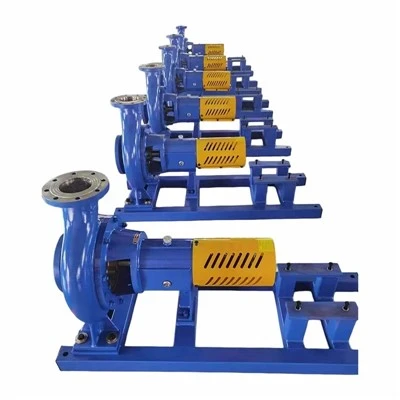
Let me start with a quick reality check. Traditional paper pulp mixers—whether they’re vertical, horizontal, or propeller-style—rely on manual adjustments or separate, third-party control units that often don’t talk to each other. A mill might have a mixer that’s been running for 15 years, then add a separate system to adjust speed, monitor consistency, or regulate chemical dosing. The problem? That disjointed setup leads to gaps. For example, if your mixer is overworking to break down pulp, it uses more energy, wears out parts faster, and might leave clumps that slow down downstream processes. If it’s underworking, you get inconsistent pulp quality, which can ruin entire batches of paper. Over time, those small inefficiencies add up to thousands of dollars in lost revenue every month.
That’s where built-in control systems come in, and they’re not a new gimmick—they’re a design evolution that’s been tested in mills for a decade now. The core idea is simple: integrate the control logic directly into the mixer’s structure, so all the critical components work as a single unit, not separate parts. When we design our mixers, for example, we build the control panel right into the mixer’s frame, so operators don’t have to walk 50 feet to a separate room to adjust settings. That proximity cuts down on response time, too—if a sensor detects a spike in pulp consistency, the system can adjust the mixer’s impeller speed in seconds, not minutes.
Let’s break down what those built-in systems actually include, because not all “control systems” are created equal. First, you need consistent pulp consistency—measured as the percentage of dry fiber in the slurry. A good built-in control system has in-line consistency sensors mounted directly in the mixer’s chamber, not plumbed off to a side pipe where the slurry might settle or give a false reading. Those sensors send real-time data to a programmable logic controller (PLC) that’s programmed with your mill’s specific pulp recipes. Say you make corrugated pulp for boxes and printing pulp for magazines—you can save each recipe in the system, so an operator just selects the right batch, and the mixer automatically adjusts water flow, fiber feed rate, and impeller speed to match.
Then there’s energy management, which is a big one for mills dealing with rising utility costs. Built-in control systems track the mixer’s power usage in real time, and they can adjust settings to reduce unnecessary energy draw. For example, if the mixer has already broken down 90% of the fiber, the system will slow the impeller instead of running it at full speed the whole time. I’ve seen mills cut mixer energy costs by 15-20% just by making that one switch to a built-in control system—no extra equipment, no complicated installation, just smarter operation.
Another key feature is overload protection, which is critical for extending a mixer’s lifespan. Traditional mixers will keep running if they’re jammed with hard wood chips or unprocessed pulp, leading to broken shafts, bent impellers, and costly repairs. A built-in control system monitors the mixer’s motor current and torque, so if it detects a spike that signals an overload, it automatically pauses, reverses the impeller slightly to clear the jam, then tries again. This reduces unplanned downtime—one mill I work with had 12 mixer breakdowns a year before upgrading; now they have fewer than 2.
Now, I know what some of you are thinking: “My mill has specific requirements—can a built-in control system handle custom pulp types, different batch sizes, or integration with my existing mill process equipment?” The answer is yes, but it’s important to work with a supplier who doesn’t use a one-size-fits-all approach. For example, if you produce specialty pulp for tea bags or food packaging, you might need tighter control over chemical additives than standard corrugated pulp. A good built-in control system can integrate with your chemical dosing pumps, so it automatically adds the right amount of pulp softener or brightening agent based on the recipe. If your mill already has a distributed control system (DCS) that manages all your processes, the mixer’s built-in PLC can be programmed to communicate with that DCS, so you don’t have to manage two separate control networks.
That said, there are some common pitfalls to watch for when shopping for a pulp mixer with a built-in control system. First, avoid systems that use cheap, low-quality sensors. I’ve seen mills buy mixers with built-in sensors that only last 6 months because they’re not calibrated for harsh pulp environments—full of fiber, chemicals, and moisture. Look for sensors made specifically for pulp and paper applications, with stainless steel housings and sealed connections to prevent corrosion. Second, make sure the control system is user-friendly. Your operators might not be PLC engineers, so a system with a large, intuitive touchscreen, pre-built recipes, and clear error messages is way more valuable than one with complex programming that only a technical team can use. I’ve had mills tell me they almost bought a mixer with a “advanced” control system that their operators refused to use, so they ended up retrofitting a third-party system anyway—don’t make that mistake.
Another point to consider: maintenance and support. A built-in control system isn’t a set-it-and-forget-it tool. You need a supplier who offers regular calibration services, software updates, and 24/7 support if something goes wrong. When we sell our mixers, we include a 12-month maintenance package that includes quarterly sensor checks, software updates, and a dedicated technical contact for any questions. I’ve heard horror stories of mills buying mixers from suppliers that go out of business, leaving them with a control system that can’t be repaired or updated—so doing your homework on the supplier’s reputation for support is just as important as the mixer itself.
Let me also share a real example from a customer of ours in the Midwest. They were a mid-sized mill making office paper, and their old mixers had separate control units that would drift off-calibration every few weeks, leading to 2-3 hours of downtime a week to adjust settings. They upgraded to our mixers with built-in control systems about 18 months ago. Now, their consistency is within 0.5% of their target 98% of the time, down from 82% before. Their mixer energy use dropped 18%, and they’ve only had one minor downtime incident—thanks to the system alerting operators to a small jam before it became a big problem. They told me the upgrade paid for itself in 10 months, which is a return on investment that’s hard to beat in the paper industry.
I know some smaller mills might worry about the upfront cost of a mixer with a built-in control system, versus a traditional mixer plus a separate control unit. But when you factor in lower energy costs, less downtime, less waste from inconsistent pulp, and longer mixer lifespan, the built-in system usually ends up being cheaper over 3-5 years. It’s not just about buying a mixer—it’s about investing in a system that works with your whole operation, not against it.
At the end of the day, the paper pulp industry is all about consistency. Whether you’re producing cardboard, tissue, or specialty paper, your end product is only as good as your pulp, and your pulp is only as good as your mixer. A built-in control system doesn’t just make the mixer run better—it makes your whole mill run better. It reduces stress on your operators, cuts costs, and helps you deliver a more consistent product to your customers.
If you’re tired of dealing with disjointed control systems, unplanned downtime, and inconsistent pulp quality, we can help. Our team has worked with mills of all sizes to design pulp mixers with built-in control systems tailored to their specific needs, from small batch specialty operations to large-scale commodity pulp mills. We don’t just sell equipment—we partner with you to find a solution that fits your budget and your process, with the support you need to keep your mill running smoothly.
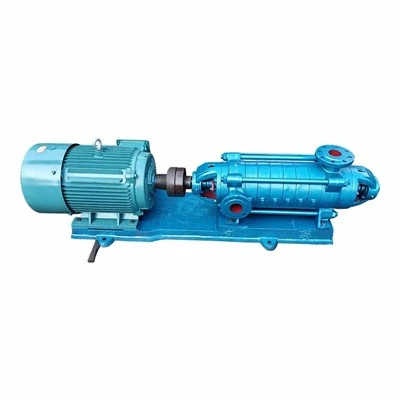
Ready to learn more about how a pulp mixer with a built-in control system can improve your operation? Reach out to our team to schedule a consultation, and we’ll walk through your current process, answer any questions, and share more customer success stories. We’re here to help you make an investment that pays off for years to come.
Paper Pulp Mixer References
- Pulp & Paper Technical Association. (2021). “Integrated Process Control in Pulp Mixing Operations.” Technical Report No. 78-21.
- Smith, J. (2022). Energy Efficiency in Pulp Processing Equipment. Journal of Paper Technology, 63(4), 112-120.
- Miller, L. (2020). “Maintenance Best Practices for Integrated Control Systems in Pulp Mixers.” Paper Mills Monthly, 18(3), 45-48.
- International Organization for Standardization. (2019). ISO 14801:2019, Pulp and Paper Machinery – Safety Requirements for Mixers.
Xiaofeng Machinery Technology Co., Ltd.
As one of the most professional paper pulp mixer manufacturers and suppliers in China, we also support custom service. Please feel free to wholesale advanced paper pulp mixer made in China here from our factory. Quality products and reasonable price are available.
Address: No.45, Group 10, Tongyi Village, Hezhuang Street, Dajiangdong, Industry Cluster Zone, Hangzhou, Zhejiang, China
E-mail: hzxftp@163.com
WebSite: https://www.hzxfmt.com/
