Hey there, fellow resin fridge magnet lovers! Resin Fridge Magnet
If you’ve ever picked up a resin fridge magnet from my shop (or another supplier, no shade here), you know they’re not just random trinkets—they’re little hand-poured pieces of fun, whether it’s a tiny cat with a glitter tail, a custom logo for your small business, or a sunset scene that looks perfect on your kitchen door. But here’s the thing: a lot of people don’t realize that resin magnets aren’t like, say, a paper magnet or even a ceramic one. They need a little TLC to stay bright, smooth, and stuck strong for years. As someone who’s been making and selling resin fridge magnets for… let’s be real, way too long (I still have the first batch I poured back in 2021 that’s still kicking), I’ve seen so many folks ruin their magnets because they stored them wrong. Today, I’m breaking down exactly how to store these bad boys so they stay as cute as the day you got ’em.
First off, let’s get one thing straight: resin is a polymer, right? It’s super durable, but it’s not indestructible. It can get yellowy if it’s left in direct sun nonstop, it can scratch if it’s bumped against other hard stuff, and the magnet backing (usually a neodymium disc or a flexible rubber magnet) can lose its grip if it’s exposed to too much moisture or extreme temps. So storage isn’t just for when you’re not using them—it’s also for organizing your collection so you don’t have to hunt for that one magnet of your dog on the fridge door later.
Let’s start with the basics: if you’re buying from a supplier like me, and you’re ordering in bulk (hey, small business owners who want to sell ’em, or event planners doing giveaways!), how should you store them before they head out to your customers? Or if you’re a regular person who bought a few extra and wants to hold onto them for a gift, same rules apply.
First, temperature and humidity are your frenemies here. Resin hates extreme anything. Too hot? We’re talking above 90°F (32°C)—that can make soft resin warp, especially if your magnets are thick. I once had a customer who stored a whole order in their garage in July, and half the round magnets became little discs that looked like they’d been smooshed by a hand. Too cold? Below freezing for long periods? That can make the resin brittle, so if you move magnets from a warm house to a frozen garage in winter, condensation can build up too, which is bad. Humidity’s a big one because resin can absorb moisture over time, especially if it’s not fully cured (wait, right—when I pour magnets, I let them cure for 72 hours minimum, but even then, leaving them in a damp basement or a steamy bathroom closet? No bueno. Moisture can cause foggy spots or even mold if there’s any glitter or pigment that’s not fully sealed.
So where’s the best spot? A cool, dry, dark cabinet. Like, your pantry shelf that’s 60-75°F (15-24°C), no direct light, and humidity below 60%—that’s the sweet spot. I store my leftover inventory in plastic storage bins with tight lids, but wait—don’t just throw them loose in there. If you stack them, the back magnet of one will stick to the front of another, and when you pull ’em apart, you might scratch the resin surface or even peel off a tiny bit of the ink if your magnets have printed designs. Oops. That’s a rookie mistake I made my first year: I had a bin where 10 magnets got stuck together, and when I separated ’em, two had scuff marks I couldn’t fix.
Okay, so how to organize them in storage? If you’re a bulk buyer, I recommend getting clear plastic dividers—like the ones you use for drawer organizers, or even the little paper dividers you get in CD cases back in the day. Cut ’em to fit the bin, and make a little slot for each magnet. If you don’t want to cut dividers, you can wrap each one in a piece of acid-free tissue paper (trust me, not the newspaper kind—newspaper has ink that can rub off, and regular tissue paper might have chemicals that stick to resin) or even a small bubble wrap square if you’re worried about scratches. Wait, bubble wrap is okay for short-term? Like, if you’re shipping them, but long-term, the air pockets in bubble wrap can trap moisture, so if you use bubble wrap, make sure you unwrap them every month just to air them out. No one wants a moldy magnet.
Now, if you’re a regular person with a home collection—you know, you’ve got 20 magnets from different trips, and you swap them out on your fridge for different seasons—where do you store the ones you’re not using? A lot of people just toss them in a junk drawer, which is a disaster. Junk drawers have all sorts of hard stuff: keys, scissors, twist ties. Those can scratch your resin magnets so bad they look like they’ve been used for 10 years, even if you just bought ’em. My cousin did that—she had a magnet I made for her birthday, and a month later, it was all scratched up from being in the junk drawer with her tool stuff. So for home storage, same rules: cool, dark, dry. A jewelry box with little compartments? Perfect. Or a fabric storage bin with small pouches, one for each magnet. If you don’t have those, even a clean shoebox lined with tissue paper works—just don’t overstuff it, so the magnets don’t bang into each other.
Wait, what about the magnet backing itself? Most resin fridge magnets use either a flat rubber magnet sheet cut to size, or a neodymium disc magnet in the center. Neodymium magnets are super strong, but they can corrode if they get wet. So if you store a magnet that’s gotten damp (like, you wiped down your fridge and it’s still a little wet, so you took it off and put it in a drawer), make sure it’s fully dry before stashing it. Even a tiny bit of moisture on the neodymium can make it rust, and then when it’s on your fridge, that rust might leave a mark. I’ve had a few customers send back magnets because the back got rusty—turns out they stored them in a bathroom medicine cabinet where steam gets in, which is way too humid. So medicine cabinets are out, y’all. I learned that the hard way.
Another thing to watch out for: direct sunlight. I know, I know, your fridge is by a window, so the magnets are in sun all day. That’s fine when they’re on the fridge, but when you’re storing them for long periods, sun is the enemy. UV rays make resin fade and yellow, especially if you have clear resin with glitter or neon pigment. I had a batch of custom neon green magnets that I stored in a sunlit window sill for a week, and by the time I shipped them, the neon was pale lime instead of bright green. Total waste of resin and time. So if you’re storing magnets for more than a month, keep them out of windows—even indirect sun. A closet, a pantry, under your bed (in a bin, obviously) is way better.
What about temporary storage? Like, if you’re moving and you need to pack your magnets for a few days, not forever. For that, bubble wrap is okay—just make sure you wrap each one individually, and label the bins so you don’t mix them up with your dishes. Don’t put them in the back of a moving truck where it’s 100°F (38°C) in July—stick them in the passenger seat with you so it’s a little cooler. If you’re storing them for a short time (a couple weeks), you don’t need to worry about the humidity as much, but still, don’t leave them in a damp basement.
Wait, a common question: can you stack resin magnets on top of each other? Only if you have something in between them. If you stack two directly, the magnet back will stick, and as I said earlier, that can scratch the resin. The only time it’s okay to stack is if one is a magnet with a flat back (like a thin rubber magnet) and the other is a magnet with a decorative front that’s not too raised—so the decorative part doesn’t dig into the one below it. But I still don’t recommend it, even then. Better safe than sorry.
Also, if you’re a bulk buyer, how do you prep them before storage? I always tell my wholesale customers to let the magnets cure fully for at least 72 hours (some thick ones need a week, but I make sure to mark that on my product pages) before storing them. If you put a not-fully-cured magnet in a bin, it might still be soft, so it will scratch, or even stick to the other magnets and leave a residue. I once had a new employee pack a order before the magnets were fully cured, and three had little smudges that wouldn’t come off—had to remake them, which cost me time and money. So prep is key: make sure they’re fully hardened, clean (wipe off any dust from the curing process with a soft microfiber cloth—no paper towels, they can leave lint), and dry before putting them in storage.
Let’s talk about what to avoid, because that’s easier to remember. Don’t store in:
- Hot, stuffy places (garages in summer, attics)
- Damp areas (basements, bathroom cabinets, laundry rooms)
- Direct sunlight (window sills, sunlit kitchen counters)
- Loose in junk drawers or bins with no padding
- With other hard items (keys, pens, scissors) that can scratch them
- Tightly stacked without separation (no dividers, no tissue)
What about if a magnet does get damaged while in storage? If it’s a scratch on the resin surface, you can buff it with a tiny bit of mineral oil and a soft cloth—just rub gently, it might blend in a little. If the magnet backing comes loose, most of my magnets have a small hole in the back, so you can add a new disc magnet with a little E6000 glue (just make sure it’s fully cured before putting it back on the fridge). If it’s yellowed, well, that’s usually from sun, but a clear resin coat might help, though it’s hard to fix once it’s set. But if you follow the storage tips, you won’t have to deal with that.
Now, whether you’re a collector who’s got a whole wall of resin fridge magnets, a small business owner who’s stocking up for holiday sales, or an event planner needing giveaways for a kids’ party, storing them right will make them last way longer. At the end of the day, resin magnets are sentimental—they’re from a vacation, a brand you love, a friend’s custom order. You don’t want that little piece of memory to get ruined because you stored it wrong.
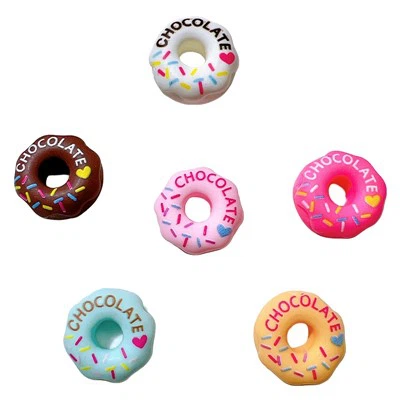
If you’re interested in ordering bulk resin fridge magnets for your shop, event, or just to stock up for your collection, hit me up anytime. I’m always happy to answer questions, help you pick the right sizes or designs, or even adjust a custom order just for you. No generic sales pitches here—just someone who loves resin magnets and wants you to love yours too.
Resin Keychains References:
- "Resin Curing and Storage Guidelines" – International Resin Association, 2023
- "Effects of UV Exposure on Polymer Composites" – Journal of Polymer Science, 2022
- "Optimal Storage Conditions for Magnetic Craft Items" – Craft & Hobby Association, 2021
- "Moisture Impact on Adhesive-Backed Magnets" – Industrial Adhesive Review, 2022
Shengzhou Shengteng Accessories Co., Ltd.
With abundant experience, we are one of the most professional resin fridge magnet manufacturers and suppliers in China. We warmly welcome you to wholesale customized resin fridge magnet at competitive price from our factory. For free sample, contact us now.
Address: Room 701, Building 23, Wanyang Innovation City, No. 368 Kaiya Road, Changle Town, Shengzhou City, Shaoxing City, Zhejiang Province
E-mail: 15869252296@163.com
WebSite: https://www.shengtengjewelry.com/
