If you’ve ever wandered through a formal garden, a historic estate, or a private art collection, chances are you’ve encountered bronze animal statues. These pieces—ranging from lifelike hounds poised to fetch, to majestic lions at rest, to whimsical deer with dappled coats—are chosen for their durability, the rich patina that develops over time, and their ability to evoke emotion. As a bronze animal statue supplier with over a decade in the business, I’m often asked a question that I’ve worked through with countless clients: Can bronze animal statues be inscribed? The short answer is yes—far from a decorative afterthought, inscriptions on these pieces add layers of meaning, personalization, and historical context that turn a standard sculpture into something uniquely yours. But to get it right, you need to understand how inscriptions work with bronze, the best methods for application, and the long-term care that keeps them looking sharp. Bronze Animal Statue
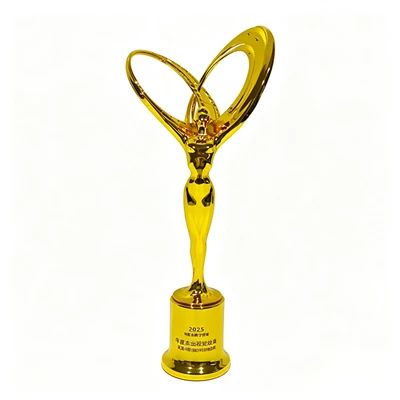
First, let’s ground this in why inscriptions on bronze animals make sense from both a practical and emotional standpoint. Bronze is an alloy, usually made of copper and tin, sometimes with small amounts of other metals like zinc or lead to adjust hardness. It’s highly malleable when heated, corrosion-resistant, and non-porous, which means it can hold detailed, permanent markings far better than stone or wood. For clients who commission a bronze animal, inscriptions are rarely just text to add space. A family might add the name of a beloved pet that passed away, or a date of a wedding where the statue was gifted. A landscaper might inscribe their initials alongside the year the piece was installed, as a mark of craft. A public park might add a quote from a conservationist next to a bronze otter, tying the animal to the organization’s mission to protect waterways. Even small, quiet inscriptions—like “Molly’s Hound” on the base of a standing retriever—add intimacy that makes a sculpture feel like it belongs, rather than a generic import.
That said, not all inscriptions are the same, and each method has tradeoffs when it comes to durability, cost, and appearance. The two most common approaches for bronze animal statues are engraving and casting, and I’ve seen clients lean toward one or the other based on their goals. Casting is the older, more traditional method, which involves carving the inscription directly into the mold before the bronze is poured. When the metal cools and is removed from the mold, the text is raised from the base, rather than cut into it. This method creates a seamless, permanent mark that’s part of the sculpture’s core structure—no extra steps to add text after the bronze is finished. For large-scale pieces, like a life-size bronze bear for a corporate campus, casting is often the go-to because it creates a crisp, uniform finish that won’t wear down over time. I worked with a client last year who commissioned a bronze eagle for a veterans’ memorial; we cast the names of local fallen soldiers into the base, and the text has held up perfectly through two harsh winters, with no fading or chipping. The downside of casting, though, is that it’s more expensive to adjust later. Once the mold is made, changing an inscription requires creating an entirely new mold, which adds significant time and cost. That’s why I always tell clients to have their final text approved before we begin the casting process.
Engraving, by contrast, is the process of cutting text into a finished bronze statue using a rotary tool, laser, or hand chisel. This method is far more flexible: clients can add inscriptions after the sculpture is completed, adjust text to fix a typo, or even add smaller, subtle markings to the sides of an animal (like a date on a horse’s hoof, or a signature on a dog’s collar). For small, personal pieces—like a 6-inch bronze rabbit for a bookshelf—engraving is often the perfect choice, because it’s low-cost and fast. But there are caveats. First, engraving cuts into the bronze’s surface, which means the edges of the text are slightly more vulnerable to corrosion if not sealed properly. I’ve seen small, hand-engraved inscriptions start to show rust or pitting after a few years if the sealant is skipped, especially in coastal areas where salt air speeds up bronze corrosion. Second, the appearance of engraved text is very different from cast text. Engraved text is recessed, so it can look sharp, but it also collects dirt and water over time—something that’s less of an issue with raised cast text, which runs off moisture more easily. I always recommend that clients who choose engraving opt for a special sealant that fills the engraved lines slightly, creating a barrier against moisture and dirt while keeping the text legible. A recent client who added a cat’s name to a small bronze tabby followed this advice, and two years later, the inscription still looks as clear as the day it was done.
Another option, especially for clients who want a more artistic, less rigid inscription, is gilded inlay. This is where metal foil—usually gold, silver, or bronze— is pressed into engraved lines, creating text that stands out visually against the statue’s surface. It’s a step up from basic engraving, and it works beautifully for smaller pieces or formal inscriptions. For example, a couple who commissioned a bronze wedding gift of a fox and hound had their initials and wedding date inlaid with gold, which catches the light and adds a luxurious touch without overwhelming the sculpture’s design. The only downside here is that gilded inlay can wear down over time, especially on outdoor pieces that are exposed to wind and rain. We recommend touching it up every 10 to 15 years, which is a minor maintenance step compared to the value of the personalization.
Of course, there are common mistakes that clients make when adding inscriptions to bronze animal statues, and as a supplier, I’ve learned to steer people clear of these. The first is ignoring the scale and placement of the inscription. A large, bold inscription on a small bronze bird will look clunky and take away from the sculpture’s delicate details. Conversely, a tiny, 1-point font on a life-size lion standing 6 feet tall will be unreadable from 10 feet away, defeating the purpose of adding the text. I always work with clients to mock up the inscription, either digitally by overlaying text on a photo of the statue, or physically by creating a sample small piece to test scale. Last year, a client almost had a 2-inch font on a 5-foot bronze moose; we adjusted it to 6-inch font, placed it on the lower part of the base where it would be visible from a walking path, and it turned out perfect.
Another mistake is choosing the wrong typeface. Script fonts might look elegant on a book or a wall, but they’re often hard to read on bronze from a distance. Sans-serif fonts, like Arial or Helvetica, are better for outdoor inscriptions because their clean lines stand out against patinated bronze. For pieces that are meant to be viewed up close, like a desk statue, a cursive script can work beautifully, as long as the letters are thick enough to not blur when cut or cast. I always offer a selection of typefaces tailored to the size and location of the statue, which saves clients a lot of frustration down the line.
Then there’s the issue of content. While it’s tempting to add long, flowery text to the base of a bronze animal, brevity is almost always better. Inscriptions should be meaningful, not a memorial of every detail of the animal’s life or purpose. A client once tried to add a 50-word paragraph about their golden retriever, who had been a therapy dog for 10 years, to a life-size statue. We suggested trimming it to just “Max: 2012–2022, Therapy Dog for Children” and adding a small, engraved paw print, which conveyed the same sentiment without cluttering the base. It’s a balance between personalization and respecting the sculpture as a work of art, not just a plaque with a statue attached.
Maintenance is another key point for anyone with an inscribed bronze animal statue. Bronze develops a patina over time—a rich, dark layer that gives it character, but it can also hide or damage inscriptions if not cared for. For outdoor statues, I recommend cleaning the entire piece once a year, gently wiping the base and the inscription with a soft cloth and a mild, non-abrasive soap. Avoid using harsh chemicals, which can eat away at engraving or the sealant on inlaid text. If you have a cast inscription, you can reapply a clear sealant every 5 to 10 years to protect it from moisture, which will keep the text crisp for decades. For indoor pieces, dusting every few months with a soft brush is enough, and the inscription will stay legible for as long as you own the statue.
I’ve seen inscriptions transform bronze animal statues from simple decor to heirlooms. A client of mine, a grandmother, had a small bronze dog statue cast with her granddaughter’s name and birthdate on the base, and later had a second dog statue inscribed with the granddaughter’s name when she got a new puppy. Now, both statues are passed down from the grandmother to the granddaughter, and the inscriptions make each piece feel like a part of their family history, not just a mass-produced sculpture. Another client, a city park manager, commissioned a bronze otter for a community waterway restoration project, with the inscription “This otter’s home: thanks to every volunteer who cared.” The park visitors often stop to read it, and it’s become a symbol of the community’s effort to protect the waterway, turning a sculpture into a conversation starter.
At the end of the day, whether you’re looking for a small indoor bronze animal with a pet’s name, or a large outdoor piece for a park with a mission-driven quote, inscriptions are a viable, meaningful way to personalize your statue. The key is to work with a supplier who understands the nuances of working with bronze—who can help you choose the right method, typeface, and placement to get the result you want.
If you’re ready to turn your bronze animal statue idea into a finished piece with a meaningful inscription, or you have questions about the process, reach out to our team to discuss your project. We’ll walk you through every step, from choosing the right inscription method to ensuring the final piece stands the test of time, whether it’s in your home, a public space, or a private collection.
Bronze Relief Mural References
- LaNier, M. (2018). Bronze Sculpting: A Guide to Materials and Techniques. Sculpture Journal, 24(2), 45–62.
- International Bronze Society. (2020). Preservation and Care of Outdoor Bronze Sculptures. Technical Bulletin 17, 1–12.
- Smith, K. (2021). Personalization in Public Art: Inscriptions and Their Role in Cultural Heritage. Journal of Public Art and Placemaking, 8(1), 112–127.
- Wood, E. (2019). Engraving vs. Casting: Comparing Methods for Permanent Markings on Metal. Industrial Craft Quarterly, 31(4), 78–85.
Huizhou Hexin Intelligent Manufacturing Industrial Co., Ltd.
Huizhou Hexin Intelligent Manufacturing Industrial Co., Ltd. is one of the most professional bronze animal statue manufacturers and suppliers in China. Please feel free to buy the newest bronze animal statue made in China here and get pricelist from our factory. All customized products are with high quality and competitive price.
Address: No.31, Second Industrial Zone, Nankeng Village, Xinxu Town, Huiyang District, Huizhou City, Guangdong Province, P.R.China
E-mail: zhangran@bronzehexin.com
WebSite: https://www.bronzehexin.com/
