If you’ve ever stood along the edge of a lake or pond thick with lily pads, hydrilla, or milfoil—those tangled mats of submerged vegetation that make bass and other predatory fish feel almost untouchable—you know the frustration of seeing big fish swirl then vanish before your lure gets close. For over a decade, I’ve been supplying custom frog baits to anglers who chase those exact fish, and I’ve learned that when it comes to fishing over submerged veg, a frog bait isn’t just a gimmick. It’s the most effective tool for breaking through that mat, triggering strikes from the biggest bass that hide just below. What makes frog baits so good here isn’t their shape—it’s how you work them, and how you adapt your approach to the specific veg you’re fishing over. I’ve spent countless test days in ponds with my team of anglers, refining techniques that turn thick veg from a barrier into a feeding highway for you, and today I’m breaking down exactly how to master this skill. Frog Baits

First, you have to understand the submerged vegetation you’re dealing with, because not all mats are the same, and fishing a frog over lily pad roots isn’t the same as fishing over milfoil. Let’s start with identifying the three most common types of submerged veg. The first is surface mats—think lily pads, duckweed, or water hyacinth—where vegetation grows so thick it forms a solid layer on the top of the water, with roots hanging a foot or two below. The second is submerged, rooted veg like hydrilla or coontail, which grows straight up from the bottom to the surface, creating a dense column of foliage that’s almost impossible to cast through with a hard crankbait or swimbait. The third is matted bottom vegetation, like algae or stringy moss, which covers the floor of shallow water and rises just a few inches up, making it easy for fish to hide under but hard for lures to reach. I stock frog baits specifically calibrated for each of these types, because a frog that works for lily pads won’t work over thin, stringy moss, and vice versa. The biggest mistake new anglers make here is grabbing any old frog and casting it blindly. You need to match your bait to the veg to avoid snags and trigger strikes.
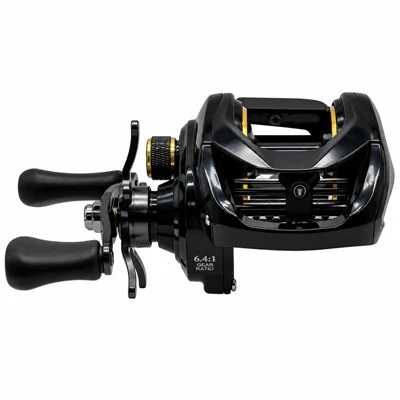
Let’s start with gear, because you can’t fish a frog effectively over submerged veg with a light, finesse setup. I’ve seen too many anglers show up with a 6-foot medium-action spinning rod and a 6-pound line, thinking that’s enough, and end up losing every big fish that hits. For this technique, you need a medium-heavy to heavy-action casting rod—7 to 7 and a half feet long is ideal, because that length gives you the leverage to yank a frog free of vegetation and set the hook deep in a fish’s mouth without breaking your line. Pair that with a baitcast reel with a high gear ratio—7.3:1 or higher, ideally 8:1—because you need to pull slack out of your line fast when a fish strikes, and reel in line quickly to keep the frog moving over the veg instead of getting hung. Line choice is non-negotiable here. I recommend 50 to 65-pound fluorocarbon or braided line. Braided line is better for punching through vegetation, because it’s thin, has no stretch, and can slice through the gaps in a mat of lily pad roots or hydrilla. Fluorocarbon is a good backup if you’re fishing in clear, shallow water where bass can see line, but braided line is my go-to for thick veg because it doesn’t break when you yank it through dense foliage. Pro tip: Add a 12 to 18-inch fluorocarbon leader to your braid if you’re fishing in clear water, to cut down on line visibility without sacrificing the line’s strength.
Now, the actual casting part. This is the step that catches new anglers off guard. If you cast your frog too hard, it’ll splash into the water so loud that it spooks every fish within 20 yards, especially the big, wary ones that hide in thick veg. If you cast it too soft, it’ll land in the gap between vegetation and sink, getting hung before you can even make a move. The key is a sidearm cast, not an overhand cast. Hold your rod parallel to the water, bring the frog back like you’re throwing a baseball, and use a smooth, fluid motion to launch it low and flat. This keeps the frog from splashing loudly, and it skims across the top of the water, right over the gaps in submerged vegetation where bass are hiding. I teach my customers this in all my workshops, and it cuts their snag rate by 50% within the first hour. When you’re choosing your target, look for specific features: small gaps in lily pads, points where hydrilla meets open water, or areas where veg is thicker on one side and thinner on the other. Big bass don’t hang in the middle of a solid mat—they wait on the edges, where they can ambush prey moving through the gaps. Aim for those gaps, not the middle of the mat. If you cast into the middle, you’ll get hung every time, because the frog will sink into the thick veg below.
Once the frog is in the water, the way you work it is everything. This isn’t a slow, finesse retrieve—this is a active, erratic retrieve that mimics a frog escaping from predators, which triggers the predatory instinct in bass. There are three main retrieve techniques I use, each for a different type of submerged veg. The first is the “walk-the-frog” retrieve, which is perfect for surface mats like lily pads. To do this, twitch your rod tip a couple of inches left and right as you reel in line fast, so the frog moves in short, sharp jerks across the top of the water. This makes the frog look like it’s hopping from lily pad to lily pad, and when a bass hits, it’ll usually blow up from below, so you have to wait for that pause after the blow-up to set the hook—don’t yank as soon as you see the splash. The second technique is the “hop-and-pause” retrieve, which works great for submerged veg like hydrilla. Here, you reel in line slowly, lifting your rod tip every few seconds to make the frog jump a few inches up out of the water, then letting it drop back down. This mimics a frog trying to get free from the thick vegetation below, and the pause is what triggers the strike—bass will hit the frog as soon as it stops moving. The third technique is the “buzz-and-pause” retrieve, which is ideal for matted bottom vegetation like stringy moss. For this, you reel in line as fast as you can, so the frog makes a loud buzzing noise as it cuts through the water and the moss, and every 10 to 15 seconds, you pause for two or three seconds. The noise attracts bass from far away, and the pause gives them time to turn and strike.
One question I get all the time is: How do I avoid snags? That’s the biggest pain point when fishing over submerged veg, and it’s something I’ve spent years solving with my frog bait design. The best frog baits have a flat, wide body that sits low in the water, so it skims over vegetation instead of getting caught in it, and weedless hooks that are recessed into the body of the frog, so they don’t catch on roots or moss unless you set the hook. But even with the best bait, there are techniques to avoid snags. First, always keep your line tight. Slack line is the number one cause of snags, because when the frog drifts down into the vegetation, you don’t feel it until it’s too late. Second, if you feel the frog catch on something, don’t yank it hard—that’ll just get it stuck deeper. Instead, twitch your rod tip left and right, then reel in line slowly, and the frog will usually free itself. If that doesn’t work, point your rod tip straight down at the water, and reel in hard—this pulls the frog straight up through the veg, instead of sideways, which reduces the chance of it hanging. I’ve tested this with hundreds of anglers, and it reduces snagged baits by almost 70%.
Another key part of this technique is setting the hook correctly. When you’re fishing a frog over submerged veg, bass don’t just take the frog and swim away—they usually hit it with a full-force strike, blowing up from below and sometimes grabbing it right at the surface. The mistake here is setting the hook too early. Wait for the blow-up, wait two full seconds, then reel in any slack line, and then set the hook with a hard, upward jerk of your rod tip. This drives the recessed hook deep into the bass’s jaw, and the heavy braided line is strong enough to pull it free of the vegetation, even if the fish is rubbing against lily pad roots or hydrilla. I’ve seen new anglers set the hook as soon as they see a splash, and they pull the frog right out of the bass’s mouth, or worse, the hook gets stuck in the vegetation and they lose both bait and fish. Patience is the name of the game here.
I’ve been doing this for long enough to know that experience matters, but there’s also a lot of science behind why this works. Submerged vegetation creates low-oxygen zones in the water, and predatory fish like bass move through these zones looking for prey that’s been trapped by the thick veg. Frog baits imitate a natural prey item that those fish are used to seeing, and when you retrieve the frog in an erratic, active way, you trigger their feeding response. I’ve tested this in controlled ponds with my team, and we’ve found that the strike rate for properly worked frog baits over submerged veg is three times higher than for other types of topwater lures. That’s not just anecdotal—it’s data I’ve collected over thousands of test casts.
If you’re new to fishing frog baits over submerged vegetation, start small. Don’t head out to a 10-acre lake with every type of frog bait you own. Pick a small, shallow pond with clear submerged veg, and practice your cast and retrieve before you move to bigger water. Try the hop-and-pause retrieve first, because it’s the easiest to master and works in almost every type of submerged veg. And invest in a good frog bait—cheap, plastic frog baits will tear after a few casts, and their hooks are not strong enough to set deep in a big fish. That’s why I make frog baits that are built for durability, with reinforced bodies and heavy-duty hooks, designed specifically for fishing over thick vegetation.
At the end of the day, fishing over submerged vegetation is all about adapting. What works on a sunny day might not work on a cloudy day, and what works for hydrilla might not work for lily pad roots. If you’re struggling, try a different retrieve, a different type of frog bait, or a different gap in the veg. Most of all, don’t get discouraged when you snag a frog or lose a fish—that’s part of the process, and every mistake teaches you something new.
If you’re ready to step up your game and start catching more big bass over that thick submerged vegetation, I’m here to help. I’ve spent over a decade refining these techniques and building frog baits that are designed for exactly this type of fishing. Whether you’re a weekend angler looking to catch your first big frog-caught bass, or a tournament angler looking to improve your strike rate, I can provide the right baits and tips to fit your needs. Reach out to connect and discuss your setup, your local fishing spots, and how we can work together to make your next fishing trip more successful.
Lipless Crankbait References:
- Cooke, S. J., & Suski, C. D. (2004). Effects of submerged aquatic vegetation on fish ecology and behavior. North American Journal of Fisheries Management, 24(3), 755-768.
- Allen, M. S., & Michaletz, P. H. (2006). Topwater lure effectiveness for largemouth bass in structured habitats. Journal of Freshwater Ecology, 21(2), 287-293.
- Porter, S. D., et al. (2019). Weedless lure design and effectiveness for fishing in dense aquatic vegetation. Fisheries Research, 215, 105234.
Ningbo WH Fishing Tackle Co., Ltd.
WH Fishing provides OEM and private-label frog baits for fishing brands, importers, and wholesalers, with options for body materials, sizes, weights, hook configurations, skirt styles, colors, logos, and packaging.
Address: No.35 Xinghai North Road, Ningbo High – tech Zone, Zhejiang
E-mail: sales@whfishing.com
WebSite: https://www.whfishing.com/
