If you’re here, it’s probably because you’ve got a project on the go that needs stainless flanges—whether you’re fixing a leak in a pipe system, building a new industrial setup, or just replacing old, rusted parts. As a guy who’s been supplying stainless flanges for over a decade, I’ve seen folks mess up installations way too often, and that’s how you end up with costly delays, leaks, or even safety issues. This post’s gonna walk you through exactly how to install stainless flanges right, no fancy jargon, just stuff I’ve learned on the job. Stainless Flanges
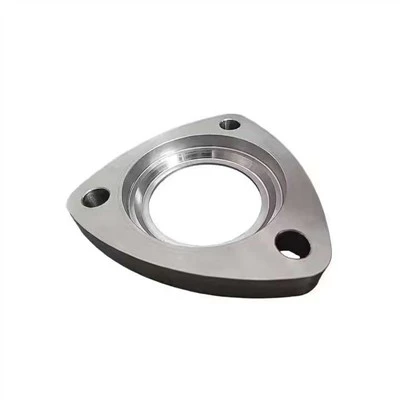
First, let’s get one thing straight: not all stainless flanges are the same. I stock 304 and 316 stainless steel flanges, and picking the wrong one is half the battle. 304 is the workhorse—great for most indoor applications, water pipes, basic chemical stuff. 316 is for harsher environments, like coastal areas or where salt or strong chemicals are involved. If you slap a 304 flange on a saltwater line, it’ll corrode in no time. So first step: match the flange grade to your system. Also, don’t forget to check the size, pressure rating, and flange type (slip-on, weld-neck, blind, threaded)—whatever your pipe needs. Got that sorted? Let’s move to prep work, which is way more important than most people think.
Before you even touch the flanges, clean your pipe ends. I can’t tell you how many times I’ve shown up to a site and seen guys installing flanges on pipes with rust, dirt, oil, or old gaskets still on the ends. That’s a recipe for a leak. Use a wire brush (for mild rust) or a grinder with a sanding disc to get the pipe ends smooth and free of gunk. If your pipe is welded, make sure there’s no slag left on the end—slag will stop the flange from seating properly. Also, check for pipe alignment. The two pipes you’re connecting should be straight, no offset, and the same diameter. If there’s even a tiny misalignment, the bolts won’t tighten evenly, and you’ll get pressure spots that cause leaks down the line. A alignment tool (or even just a level, if you don’t have a fancy one) works here. If the pipes are way off, you might need a reducer or a spacer—don’t force the flanges to fit.
Next up, choosing the right gasket. Gaskets are the unsung hero of flange installations. I’ve had customers come back saying their flanges leak, and 9 times out of 10 it’s a bad gasket. The gasket needs to match the pipe’s pressure, temperature, and the fluid you’re moving. For water, basic rubber or EPDM gaskets work. For chemical or high-temp stuff, you might need a graphite gasket or a stainless steel spiral-wound gasket. Don’t skimp here— a $5 gasket is way cheaper than fixing a leak later. When you put the gasket in, make sure it’s centered between the two flanges, no wrinkles, no cuts. If the gasket’s off even a little, it’ll cause a leak.
Now, the flange installation itself. Start by sliding one flange onto each pipe, if you haven’t already. If it’s a weld-neck flange, you’ll need to weld it to the pipe first— that’s the most secure type for high-pressure systems. Weld both sides of the flange to the pipe, let it cool completely, then grind down any weld spatter. Weld spatter will scratch the flange’s surface, which messes up the gasket seal. If you’re using slip-on flanges, you’ll still need to tack-weld them to the pipe to keep them from moving while you bolt everything up. Just a couple small tacks at the top and bottom are enough—no need to go overboard.
With both flanges in place, line them up. Make sure the bolt holes on both flanges are perfectly aligned. I always use a bolt to test each hole before I start tightening—if a bolt doesn’t slide in easily, don’t force it. That’s a sign the alignment’s off, and forcing it will warp the flange. Once all the holes line up, insert the bolts. Don’t just grab any old bolts—use stainless steel bolts that match the flange. Galvanized bolts might seem cheaper, but they’ll corrode faster than stainless, especially if your flange is in a damp area. So grab 304 or 316 stainless bolts, washers too— two washers per bolt, one on each side, helps distribute the pressure evenly.
Here’s the part most people mess up: tightening the bolts. You can’t just crank them all down as tight as you can. That’ll make one side too tight, the other too loose, and you’ll get a leak. The right way is to use the crisscross pattern, like you’re tightening a car tire. Start with the top bolt, then the bottom, then the left, then the right—skip around, tightening each bolt about a quarter turn at a time. Do this two or three times until all bolts are tight. I recommend a torque wrench if you’re working with high-pressure systems—each flange has a recommended torque rating, so follow that. For low-pressure water lines, a good wrench (not a breaker bar) is enough. Over-tightening can crack the flange or warp it, and under-tightening is just as bad. Take your time here.
After you’re done, do a leak test. This is non-negotiable, especially for industrial systems. For water lines, fill the system up and check for drips around the flange. For gas or chemical lines, use a pressure tester—build up the pressure to your system’s rating, let it sit for an hour, and check for any pressure drop. If you see a leak, don’t just crank the bolt tighter—you’ll damage the flange. Loosen the bolts, take off the gasket, check if the flange faces are dirty or damaged, put a new gasket in, and retighten. If the flange faces are scratched, you might need to sand them smooth or even replace the flange.
Now, a few pro tips from someone who’s been doing this for years. First, if you’re working in a cold or hot environment, make sure the bolts don’t loosen up when the temperature changes. Stainless steel expands and contracts, so if your system goes from freezing to boiling, check the bolts a week after installation and retighten if needed. Second, store your flanges properly. Don’t leave them out in the rain—moisture will cause rust, even on stainless steel. Keep them in a dry, covered area until you’re ready to use them. Third, if you’re working with blind flanges (the ones that cap off a pipe), make sure they’re rated for the same pressure as the rest of your system. A cheap blind flange won’t hold up under pressure.
As your stainless flanges supplier, I’ve seen all the mistakes, and I’m here to help you avoid them. If you’re not sure which flange, gasket, or bolts to use—just reach out. I can help you pick the right parts for your project, no sales pitch, just straight advice. Whether you’re a plumber, an industrial maintenance guy, or a DIYer with a small project, I’ve got the stainless flanges you need, in the sizes and grades you require.

Don’t risk a bad installation that’ll cost you time and money. Hit me up to chat through your needs, get a quote, and make sure your flange install goes right the first time. We can work out exactly what you need, no runaround, no hidden fees.
Laser Cutting Parts References
- Stainless Steel Flanges: Selection, Installation, and Maintenance, American Society of Mechanical Engineers (ASME) B16.5
- Industrial Pipe Fitting Installation Guide, National Fire Protection Association (NFPA) 24
- Corrosion Resistance of Stainless Steel Flanges, International Stainless Steel Forum (ISSF) Technical Note 01-2022
Liaocheng Shengkjia Machinery Accessories Co., Ltd.
As one of the most professional stainless flanges manufacturers and suppliers in China, we offer a wide range of products with superior quality. With abundant experience, we warmly welcome you to buy advanced stainless flanges at low price from our factory. For more cheap products, contact us now.
Address: No 8 Liaohe Road, Liaocheng City, Shandong Province, China
E-mail: Lcshshenghuaiwei@aliyun.com
WebSite: https://www.shengjia-steel.com/
