If you’ve ever watched an archery competition—whether it’s the Olympic Games, a local regional tournament, or a recreational league for casual enthusiasts—you’ve probably noticed the gleaming metal medals hanging around athletes’ necks. Gold, silver, bronze: these are the standard for recognizing top finishes, right? But lately, I’ve been getting a lot of questions from archery coaches, tournament directors, and even club members: “Do wooden medals have a place in archery competitions?” As a wooden medal supplier who’s worked with archery organizations for over a decade, I’ve seen firsthand how this question isn’t just a passing trend—it’s a conversation rooted in respect, sustainability, and the unique spirit of archery itself. Let’s break it down. Wooden Medal
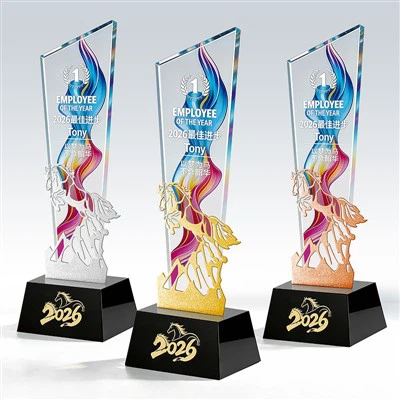
First, let’s get the basics straight: official archery competitions, especially sanctioned ones like those run by World Archery (WA) or national Olympic committees, do not replace standard metal medals with wooden ones. That’s a critical point to clarify. For major international events, the rules are clear: medals must be metal, designed to reflect the gravity of elite athletic achievement. But that’s just one side of the story. Every level below the Olympic spotlight—local tournaments, youth leagues, adaptive archery events, and community fundraisers—has flexibility, and wooden medals are increasingly finding a home here. The difference comes down to purpose: metal medals honor elite, long-standing athletic tradition, while wooden medals offer something that fits the specific culture and values of archery at its grassroots.
I started making custom wooden medals because I noticed a gap about 12 years ago. Back then, many small archery clubs would struggle to afford metal medals for their annual seasonal tournaments. A set of 50 metal medals could cost hundreds of dollars—money that would otherwise go toward range maintenance, new bows for young shooters, or safety equipment. Wooden medals, by contrast, are affordable to produce in bulk, and they don’t skimp on quality. I work with solid, sustainably harvested hardwoods—maple, cherry, and walnut, all sourced from FSC-certified forests—to make every medal. Each is cut to a uniform thickness, sanded smooth, and finished with a durable, non-toxic sealant that stands up to repeated handling and even outdoor use. We can engrave designs, names, and tournament dates with precision, so they look just as professional as metal medals. For a local club hosting a 100-participant youth archery shoot, switching to wooden medals meant they could give every top finisher a memorable award without draining their budget.
But affordability isn’t the only reason wooden medals resonate with archery’s community. Archery is a sport with deep ties to nature, tradition, and craftsmanship. Unlike many mainstream sports that take place in stadiums, archery competitions often feel like gatherings of like-minded people. Young shooters learn to respect the outdoors, develop focus, and value patience over quick, flashy plays. A wooden medal, which is a natural product, feels like a better match for that ethos than a shiny, factory-made metal one. I recently supplied medals for a junior adaptive archery tournament, where most of the athletes competed from wheelchairs or with modified bows. The parents and coaches told me that the kids loved the medals because they “looked like something special, not just a piece of metal.” One 12-year-old, who has cerebral palsy and has been shooting archery for three years, told me he keeps his medal on his bedroom wall next to a wooden target he carved himself. That’s the kind of connection you can’t get from a metal medal, no matter how polished.
Of course, there are challenges. Some long-time archery purists push back on wooden medals, saying they “don’t feel like real awards.” I get it—metal has been the standard for athletic recognition for centuries, and there’s a weight to a gold medal that carries cultural significance. But I’ve found that the best way to address that concern is to offer custom designs that blend the best of both worlds. Many of my clients add a small metal disc to the center of the wooden medal: a tiny gold disc for first place, silver for second, bronze for third. That way, they get the natural, warm look of wood and the traditional feel of metal. We also offer custom engravings that reference archery-specific elements: bows, targets, even the distance of the competition (like “70m Recurve Gold”). For a regional archery league in the Pacific Northwest, we designed medals with engraved Douglas fir trees, a nod to the local forest where their tournament is held. The directors told me that this blend of wood and archery-specific design made the awards feel personal and rooted in their community.
Another big factor is sustainability. Metal production has a much larger carbon footprint than wood. Mining for metal ores, refining, and manufacturing all contribute to greenhouse gas emissions and water pollution. For tournament organizers who want to reduce their event’s environmental impact, wooden medals are a far more eco-friendly choice. I source all my wood from FSC-certified suppliers, which means the forests are managed to protect biodiversity, support local communities, and prevent deforestation. When a wooden medal wears out, it’s biodegradable—you can’t say the same for a metal medal, which will take decades to break down in a landfill. At a recent national adaptive archery event, the organizers went all-in on wooden medals and made sure to communicate that choice to attendees. They received dozens of comments from participants who appreciated that their awards aligned with the sport’s focus on nature and stewardship.
That said, it’s important to set realistic expectations. Wooden medals aren’t going to replace metal at the highest levels of competitive archery. World Archery’s official rules, updated in 2022, specify that medals for international sanctioned events “shall be made of metal, with a minimum diameter of 60mm and a thickness of 3mm for senior competitions.” That’s not to say wooden medals can’t be used for parallel awards—like a “People’s Choice” medal for the fan-voted shooter, or a “Most Improved” award for a youth participant. Many top-tier tournaments already use custom awards alongside the official metal medals, and I’ve had clients from Olympic training centers reach out for those niche, community-focused honors.
Over the years, I’ve also learned that the success of a wooden medal in archery competitions comes down to how it’s presented. It’s not just the medal itself—it’s the story behind it. When a tournament director tells a player, “This medal is made from a sustainably harvested tree, and it’s engraved with your name because of your hard work this season,” it adds meaning that a metal medal can’t match. I’ve heard countless stories from clients whose athletes keep their wooden medals for decades, passing them down to younger siblings or displaying them at home. One coach told me that his team’s wooden medals from 2010 are still used as “legacy awards” for top performers in their youth program. That kind of lasting impact is what makes wooden medals valuable, even if they don’t have the official status of Olympic medals.
I’ve worked with archery organizations of all sizes, from small 20-person clubs to 500-participant regional tournaments, and the feedback has been consistent: wooden medals fill a unique role in the archery community. They’re affordable, customizable, and aligned with the sport’s values of nature, craftsmanship, and community. They’re not a replacement for metal medals at elite events, but they’re a perfect fit for the grassroots level, where the future of archery is being built.

If you’re an archery tournament director, club coach, or event organizer looking for awards that balance quality, affordability, and meaning, let’s connect. I can work with you to design custom wooden medals that fit your event’s needs, whether that’s a bulk set of simple engraved medals for a local youth shoot or a unique, blended metal-wood design for a community fundraiser. I’ve also collaborated with adaptive archery groups, women’s leagues, and senior archery clubs to create awards that honor the specific goals and spirit of each community. Don’t hesitate to reach out to discuss your project—whether you’re looking for a small order of 10 medals or a large batch for a multi-day tournament.
Metal Trophy References
World Archery. (2022). Official Competition Rules. World Archery Federation.
National Archery in the Schools Program. (2023). Awards Guidelines for K-12 Tournaments.
Forest Stewardship Council. (2024). FSC Certification Standards for Wood Products.
Adaptive Archery Association of the United States. (2023). Event Best Practices and Awards Recommendations.
Pujiang County Hongxin E-commerce Co., Ltd.
As one of the most professional wooden medal manufacturers and suppliers in China, we offer a wide range of products with superior quality. Please rest assured to wholesale high-end wooden medal at competitive price from our factory. Good service and punctual delivery are available.
Address: No. 6, Row 4, Section 4, Yuequan West Road, Pujiang
E-mail: hongjiangluo95@gmail.com
WebSite: https://www.crystalcraftfactory.com/
