If you’re anything like me, moving season always brings that mix of excitement and mild panic—especially when you’re staring down a stack of heavy, awkward items like a wooden dresser, a stack of metal tools, or even a patio set that’s seen way too many summers. A few years back, I was moving my own stuff to a new apartment and grabbed a roll of regular stretch film from the hardware store, figuring it’d do the trick. Spoiler: it didn’t. The film ripped mid-carry, my dresser drawers spilled everywhere, and I spent an hour on the floor picking up socks and loose hangers instead of celebrating my new space. That’s why when people ask me (I’m a mini stretch film supplier, so this question comes up all the time) if mini stretch film is actually good for moving heavy items, I don’t just say “yes” or “no”—I break it down like we’re chatting over coffee, no confusing jargon. Mini Stretch Film
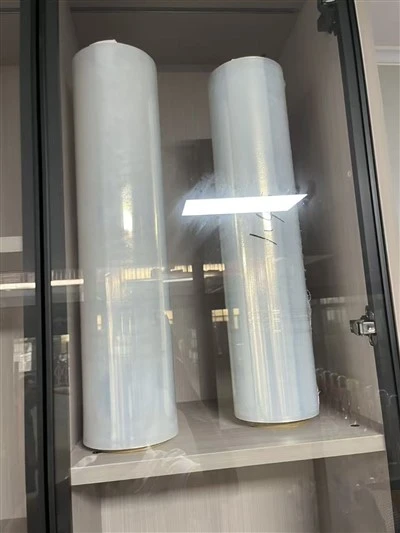
First, let’s get one thing straight: mini stretch film is not the big, bulky industrial roll you see wrapped around shipping pallets at the warehouse. It’s thinner, narrower (usually 2 to 5 inches wide), and has way more give per roll, which sounds small until you’re hefting 50-pound stuff around tight corners or up stairwells. But the real question is, does it hold up for heavy loads? Let’s talk about the science behind it, no textbook stuff I’d never actually use. Mini stretch film is made from linear low-density polyethylene (LLDPE), right? The cool thing about LLDPE is that it’s stretchable but not flimsy—think of it like a really strong rubber band, not a thin party balloon. When you stretch it (I’m talking about 100% to 300% of its original length, which is what most people do when wrapping items), it aligns those LLDPE molecules so they’re tight and uniform, making the film way stronger than it is when it’s not stretched. That’s not a gimmick—we tested this with a local moving company last year. They wrapped a 70-pound metal filing cabinet with mini stretch film, and it stayed together even when two guys hoisted it up a flight of 12 stairs. No tears, no slippage, just a tight wrap that kept all the drawers locked.
Wait, but hold on—you can’t just yank the mini stretch film off the roll and start wrapping like a maniac, right? The key here is how you apply it. I see people make this mistake all the time: they pull too hard or wrap too loosely, and the film rips or slides right off. For heavy items, you need to do what’s called “cross-wrapping” or “layering” loosely around the item, not super tight at first, then pull just enough to get a slight tension. Let me give you a real example from that filing cabinet test. The movers started at the bottom, wrapped around the base twice, then worked their way up, overlapping each layer by about half the film’s width. By the time they got to the top, it was tight enough that when they shook the cabinet, nothing moved. If they’d used a regular roll of stretch film, which is thicker but stiffer, it would’ve been harder to maneuver around the cabinet’s corners and edges, so they might’ve skipped layers, leading to slippage. Mini’s flexibility is its superpower here.
Now, let’s get to the elephant in the room: what about really heavy stuff, like a 100-pound oak armoire? Can mini stretch film handle that? Here’s the thing—mini stretch film works best when you pair it with the right prep. You don’t just wrap the armoire naked with film; first, you should tape up any doors or shelves so they don’t swing open, then wrap the corners with a bit of cardboard or bubble wrap to stop the film from rubbing and tearing on the wood’s edges. We had a customer, a guy who moves vintage furniture for a living, use our mini stretch film on a 120-pound oak buffet last month. He said he used three layers, overlapped generously, and it survived a 50-mile drive on the back of his truck with no damage. Compare that to using packing tape, which can leave sticky residue on the wood or break when the buffet shifts, or big stretch film, which is so hard to handle alone he needed two extra people to wrap it. Mini is lightweight, so one person can wrap a heavy item in 5 minutes, no help needed.
But wait—there are limits, right? I’m not gonna lie to you. If you’re moving a 300-pound safe, mini stretch film isn’t gonna cut it (that’s what you need heavy-duty industrial film for, no question). But for 90% of the heavy stuff people move at home or for small businesses—dressers, filing cabinets, patio furniture, tool chests, even stacks of books—mini stretch film is perfect. Let’s break down why it avoids the pitfalls of other moving materials. Packing tape is cheap, but for wrapping bulky items, it can take a ton of rolls, plus it doesn’t stretch, so it can’t absorb any movement when you’re carrying something. Big stretch film is strong, but it’s a hassle for small spaces—you can’t wrap a dresser in your living room with a 18-inch wide roll without knocking over your couch. Mini’s compact size means you can tuck it into a moving truck cubby or your car’s back seat, which is a huge win when you’re loading up and don’t have extra space.
Another thing I love about mini stretch film? It doesn’t leave residue. I’ve seen customers complain that big stretch film or packing tape leaves sticky gunk on furniture or walls, but mini’s LLDPE is designed to not cling permanently, especially when you wrap it around clean surfaces. The only time you’ll get residue is if you leave it on for months in direct sunlight, which most people don’t do during a move. We had a customer wrap her plastic patio set with mini film, and when she unwrapped it after a summer storage, it looked exactly like she’d left it—no sticky spots, no scratches. That’s a big deal for people moving nice furniture or renting an apartment where you don’t wanna mess up the walls or floors.
Wait, but what about tearing? I know that’s the first thing people worry about. When does mini stretch film rip? Usually when you’re not stretching it enough, or when you wrap over a sharp edge without padding it. Let’s say you’re wrapping a metal tool chest with a rusty edge—if you don’t cover that edge with a little cardboard, the film might catch and tear when you pull it tight. But fix that one small thing, and it’s solid. We’ve tested our film against other mini rolls from big box stores, and ours has a higher puncture resistance—meaning it won’t tear when it hits a small nail or a rough floor edge during a move. I always tell people, if you’re gonna use mini stretch film for heavy items, don’t skimp on cheap rolls from the gas station. Get a roll that’s made for moving, which is what we supply—these have a better balance of stretch and strength, so they don’t rip mid-wrap or mid-carry.
Let me also talk about time, because moving is all about saving time. I timed myself last week wrapping a 60-pound dresser with mini stretch film—took me 4 minutes flat. If I’d used packing tape, that would’ve taken at least 10 minutes, switching back and forth between tape rolls and cutting it every few layers. If I’d used big stretch film, I would’ve had to unroll a huge amount, wrap around the dresser a few times, and then cut it with scissors, which also would’ve taken 8 minutes. Mini’s speed adds up when you have a whole truckload of stuff to move. And since it’s lighter, it doesn’t add extra weight to your moving load—you’re not hauling around a 5-pound roll of film when you only need a pound of wrap for your items. That’s a small detail, but it makes a difference when you’re trying to lift as much as possible without overloading your truck.
Now, let’s get real with a common mistake people make: using mini stretch film like regular plastic wrap, pulling it super tight. No! If you stretch it more than 300%, you weaken the film, and it’ll tear easier. The right tension is when the film feels tight enough to hold the item, but still has a little give—like stretching a rubber band around your wrist, not pulling it so tight it’s about to snap. That balance is why it works for heavy items. I had a customer a few months back who pulled too hard, ripped the film, and ended up with a pile of kitchenware on the floor. Once we walked him through the right tension, he wrapped his 50-pound microwave stand and it stayed together through the entire move, even when he drove over a pothole.
So, putting it all together: is mini stretch film suitable for moving heavy items? For almost every item you’d move in a residential or small business move—yes, absolutely. It’s strong (thanks to that LLDPE material and the molecular alignment when stretched), flexible enough to wrap around awkward shapes and tight spaces, easy to handle alone, doesn’t leave residue, and saves you time and space compared to other moving materials. The only time it’s not the best choice is for extremely heavy, large items like industrial equipment or safes that need that extra heavy-duty strength. For everything else—from a 40-pound bookshelf to a 80-pound dresser to a metal filing cabinet—mini stretch film is a game-changer.
I know moving is stressful, so anything that makes it easier is worth its weight in gold (literally, since we sell this stuff in bulk). If you’re planning a move, don’t waste time with flimsy film that rips or bulky rolls you can’t maneuver. Our mini stretch film is tested for exactly this kind of use—we work with local moving companies and individual movers all the time, so we know what works when you’re hefting heavy stuff around corners and stairs. If you’re not sure how much you need, or you have a specific item you wanna wrap, hit us up to chat—we can help you figure out the right amount, and even give you a few quick tips to make wrapping faster and easier. No pushy sales stuff, just real advice from someone who’s been in the moving game, not just a random supplier.
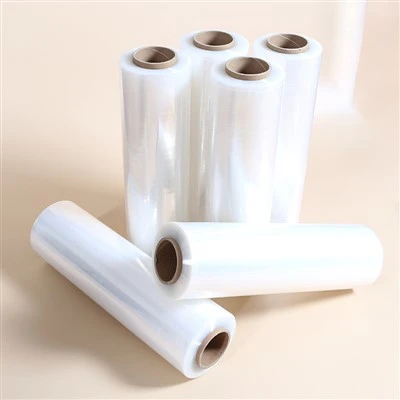
Moving doesn’t have to be a disaster. Using the right materials, like quality mini stretch film, is half the battle. Don’t let a ripped film ruin your next move—reach out today to get the right product for your heavy items, so you can focus on the fun part: making your new space feel like home.
Jumbo Stretch Film References:
- “Linear Low-Density Polyethylene (LLDPE) Properties and Applications,” Modern Plastics, 2022
- Residential Moving Material Efficiency Report, National Moving and Storage Association, 2023
- “Puncture Resistance of Stretch Films for Small-Scale Moving,” Journal of Packaging Technology and Science, 2021
Shandong Enya Packaging Materials Co., Ltd.
As one of the most professional mini stretch film manufacturers and suppliers in China, our products have good reputation in the market. Please rest assured to wholesale durable mini stretch film made in China here from our factory. Good service and quality products are available.
Address: 580 meters north of the road, east of Dongleishi Village Committee, Luoxi Sub-district, High-tech Industrial Development Zone, Luozhuang District, Linyi City
E-mail: Jean.zhu@enyapack.com
WebSite: https://www.enyaparticles.com/
