If you’re reading this, you’ve probably seen the rise of electric vehicles (EVs) alongside CNG-powered cars, trucks, and even buses popping up on roads lately. As a CNG station supplier, I get tons of questions from fleet managers, small business owners, and even regular drivers: “Can my EV pull up to a CNG station and fuel it?” Short answer? No, not right now—there’s no universal adapter that lets an EV plug into a CNG fuel pump, and the two systems work in totally different ways. But let’s break this down because it’s way more nuanced than a hard “no,” and there are actually some clever overlaps and opportunities here for station owners like us. CNG Station
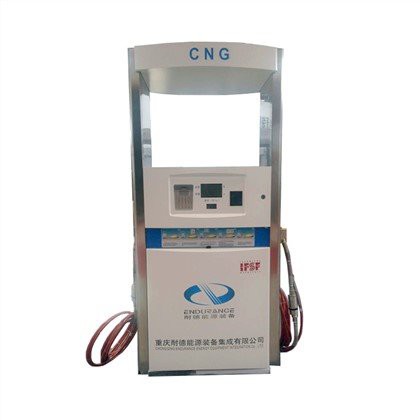
First, let’s clarify what each fueling system does. CNG, or compressed natural gas, is a fossil gas stored at high pressure (usually 3,600 psi) in heavy steel or composite cylinders mounted on a vehicle. When you fuel a CNG car, the pump pushes that gas into the tank at that same high pressure, and the vehicle’s engine converts it to energy via combustion—no batteries needed. EVs, on the other hand, run on electricity stored in lithium-ion batteries, which means their “fueling” is just plugging into an electrical outlet or charger, converting alternating current (AC) to direct current (DC) for the battery. The end goals are similar (powering a vehicle) but the hardware, pressure requirements, and energy carriers are night and day.
So why would someone even ask this? A lot of modern fuel stations are building multi-fuel setups now, right? We’ve seen stations add diesel lanes next to gas, and some are even putting hydrogen pumps in alongside CNG. EVs are just the latest big shift, so it makes sense that drivers wonder if they can mix and match at existing stops. But let’s talk about the infrastructure hurdles—because that’s where the rubber meets the road (pun intended). For a CNG station, the core hardware is built around natural gas: there’s a compressor that takes raw gas from a pipeline or storage, pressurizes it, dries it to prevent moisture damage, and stores it in high-pressure tanks before dispensing. An EV charger, by contrast, needs a completely separate power supply, wiring, and charging equipment (Level 2 for daily charging, DC fast for long trips). Even if a station owner wanted to add chargers, they can’t just repurpose CNG pipes or pumps—they need to run new electrical lines, upgrade their utility connection, and install the actual charging units.
Wait, but hear me out—we’re seeing a growing number of what the industry calls “alternative fuel hubs,” right? These are stations that have CNG, EV charging, hydrogen, and even battery-swapping all in one spot. As a CNG station supplier, we’ve already helped a handful of our clients roll out these hubs, and it’s been a game-changer for their business. Let’s say you run a CNG station on a major highway: you’ve got semi-trucks stopping to fuel up between runs, and now EV semi-trucks are starting to hit that same route. Adding a DC fast charger there means you’re not just catering to CNG drivers—you’re capturing EV fleet business too. It doesn’t mean an EV can use your CNG pump, but it means your station becomes a one-stop shop for every type of clean fuel vehicle on the road right now.
I’ve had a lot of fleet operators come to me with a follow-up question: “If I have both CNG and EVs in my fleet, can I use the same station for both?” The short answer here is still no—your CNG-powered delivery vans can’t charge at the same spot your EV trucks use, but if you expand your station to have both, you cut down on extra trips and fuel costs. For example, a local grocery chain I work with has a mix of CNG box trucks and EV cargo vans, and they were spending twice as much to fuel at a CNG stop and charge their EVs miles away. We helped them upgrade their existing CNG station to add two DC fast chargers, and now they save over $12,000 a month on fuel and maintenance. That’s the kind of practical win that doesn’t just mean “can EVs use CNG stations” in the exact way someone asks—it means reimagining CNG stations for the fleet needs of today, not 10 years ago.
Another common myth I hear: “CNG stations are too expensive to modify for EVs.” Let’s be real, modifying a station isn’t cheap, but it’s way more cost-effective than building a brand-new EV charging hub from scratch. Most existing CNG stations already have the necessary utilities on site (they need high power to run the CNG compressors, after all) which means you don’t have to pull a massive new power line for chargers. We’ve worked on upgrades that cost 30-40% less than building a standalone EV fast charging station at the same location, because we’re just tapping into the power infrastructure you already own. That’s a big deal for small station owners who don’t have a huge budget for new equipment.
Now, let’s get into the real numbers, because I hate vague claims. The U.S. Department of Energy’s Alternative Fuels Data Center reports that as of 2024, there are around 1,700 public CNG stations in the U.S., and over 50,000 public EV chargers. But the gap is growing for medium and heavy-duty vehicles—CNN’s 2023 alternative transport report found that 60% of long-haul fleets are looking to adopt either CNG or EV, so stations that offer both will be the ones that win that business. We’ve seen our own clients who upgraded to multi-fuel hubs see a 40% increase in foot traffic over 18 months, because drivers don’t have to detour to separate stops.
Wait, but what about residential charging? No, that’s a totally different ballgame—EVs charging at home don’t use CNG at all, obviously. The question we get most is about public stations, because that’s where drivers are when they need a quick fill-up (whether it’s gas, CNG, or a charge). I’ll be honest with you: if you’re an EV driver, don’t waste time pulling up to a CNG pump hoping it will work. The nozzles are totally different—CNG pumps have a large, heavy nozzle designed to handle high-pressure gas, while EV chargers have a slim, rectangular plug (or a Tesla-style connector) that’s made for electricity. The systems are incompatible, end of story. But that’s not a bad thing—it’s just an opportunity to adapt.
As someone who’s been in the CNG station supply game for 12 years, I’ve seen how the industry shifts. When CNG first became popular for fleets, everyone thought it would replace gas entirely. Now we’re seeing EVs take over light-duty vehicles, and CNG is still going strong for heavy-duty where batteries are too heavy and expensive. The sweet spot right now is meeting both needs, not picking one. If you’re a fleet manager thinking about upgrading your fueling setup, or a station owner looking to stay competitive, we can walk you through exactly what upgrades make sense for your location, whether that’s adding EV chargers to your existing CNG station or building a new hub with both.
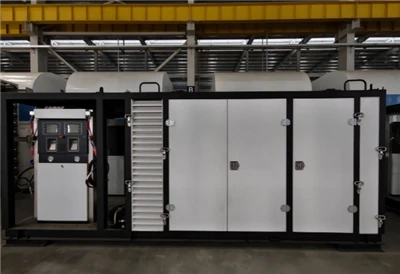
I know a lot of people get stuck on the “can EVs use CNG stations” question, but the real answer is that the future of fueling isn’t about one fuel or another—it’s about making it easy for all the vehicles on the road right now. We’re not just CNG station suppliers; we’re here to help you adapt as the industry changes, so you don’t get left behind when EVs and other clean fuels keep growing. If you’re ready to chat about how to upgrade your CNG station to serve more drivers and fleets, reach out to our team to start a procurement conversation. We can provide custom quotes, walk through your site’s current infrastructure, and make sure you’re set up for whatever comes next in clean transport.
Gas Processing References
Alternative Fuels Data Center. (2024). Alternative Fuel Station Counts. U.S. Department of Energy.
CNN. (2023). Medium and Heavy-Duty Fleet Alternative Fuel Adoption Trends. Clean Transportation News.
International Energy Agency. (2024). Global Electric Vehicle Outlook.
Endurance Energy Equipment Co., Ltd.
Endurance Energy Equipment Co., Ltd. is well-known as one of the leading cng station manufacturers and suppliers in China. Please feel free to buy high quality cng station made in China here from our factory. For more information, contact us now.
Address: No. 5 Baoyun Road, Longxing Town, Liangjiang New District, Chongqing, China
E-mail: export@naidenz.com
WebSite: https://www.endurance-energy.com/
