If you’ve ever stood in the yard of a small family farm, a construction site, or a rural landscaping business, you know tractors are the unsung heroes that keep operations running—pulling plows, hauling materials, and tilling soil through harsh heat, dust, and long hours. As a tractor supplier who’s spent over a decade working directly with farmers, mechanics, and business owners, I’ve seen first-hand that the biggest mistake people make with their tractors isn’t undercharging for work or rushing maintenance—it’s skipping or botching the oil change. Tractor
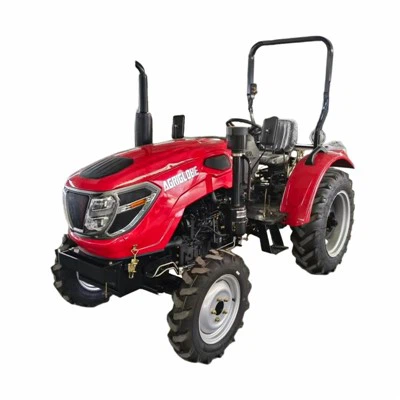
It’s not just about adding oil to the engine, either. Tractors have multiple systems that need the right lubrication, and doing it wrong can lead to premature engine wear, broken hydraulics, or costly downtime that ruins planting or harvest schedules. Today, I’m breaking down exactly how to oil your tractor safely, effectively, and in a way that extends its life—plus, a few pro tips I’ve picked up working with hundreds of operators across the Midwest and South.
First, let’s talk about why oiling a tractor isn’t a one-size-fits-all task. A small compact utility tractor used for mowing a 5-acre pasture has way different needs than a heavy-duty agricultural tractor pulling a 10-bottom plow for 12 hours a day. Even the environment matters: tractors operating in dusty, humid conditions (think cotton farms in Texas) accumulate more contaminants in their oil, so they need more frequent changes, while tractors used for light maintenance in a sheltered farm workshop can go a bit longer between services. As a supplier, I always tell new customers to check their operator’s manual first—it’s your most reliable source, no matter what your neighbor swears works for their tractor. That manual will tell you the right oil viscosity, change intervals, and how many quarts your engine holds, all tailored to your specific model.
Let’s start with the engine oil, the most critical lubrication for your tractor’s heart. Here’s the step-by-step process I walk new mechanics through, whether they’re a seasoned pro or a first-time tractor owner.
First, prep your workspace. Park your tractor on level ground—this is non-negotiable. If it’s tilted, your oil level readings will be wrong, and you might not drain all the old oil out of the pan. Turn off the engine, set the parking brake, and let the engine cool for at least 15 to 20 minutes. Hot oil can burn you, and if you drain it right after running, it might still have tiny metal shavings in suspension that you won’t want to recirculate. Grab your supplies: the correct oil for your tractor, a new oil filter (I always recommend using OEM or high-quality aftermarket filters designed for your model—cheap filters can let contaminants slip through, leading to engine damage), a drain pan large enough to hold the old oil, a wrench or socket set for the oil drain plug and filter, gloves, rags, and a funnel for adding new oil. If you’re dealing with a front loader or another attachment, lower it all the way to the ground so you don’t accidentally knock it while working under the tractor.
Next, drain the old oil. Slide under the tractor, locate the oil drain plug on the bottom of the engine oil pan. Place your drain pan directly under the plug, then use your wrench to loosen the plug—turn it counterclockwise, and be ready for it to pop free, as oil will start flowing immediately. Let all the old oil drain completely; this usually takes 5 to 10 minutes. While that’s draining, move to the oil filter. The filter is usually located on the side or top of the engine, depending on your model. Place your drain pan under the filter to catch any residual oil, then use an oil filter wrench to twist it off. Be careful—it might be tight, and the filter will be full of old, dirty oil. Once it’s off, take a rag and clean the mounting surface on the engine where the new filter will sit. This is important: if there’s old gasket material or dirt on the mounting surface, the new filter won’t seal properly, which can cause oil leaks or pressure issues later.
Before installing the new filter, a pro tip I give to all my customers: take a little bit of new engine oil (about a tablespoon) and spread it on the rubber gasket of the new filter. This ensures the gasket seals evenly and makes it easier to remove the next time you change the filter. Then, twist the new filter onto the mounting surface by hand—don’t use the filter wrench here, that can over-tighten it and cause the gasket to tear. Once the gasket makes contact with the mounting surface, give it another half-turn by hand, just enough to make sure it’s secure. Overtightening a filter is a common mistake that leads to leaks, and it’s way harder to remove next time.
Once the old oil is done draining, clean the drain plug with a rag to remove any metal shavings or dirt, then screw it back into the oil pan and tighten it snugly—you don’t need to use a wrench to crank it down, just enough to prevent leaks. Now, it’s time to add the new oil. Locate the oil fill cap on the top of the engine, twist it off, and insert your funnel. Slowly pour in the amount of oil your manual specifies—for most utility tractors, that’s between 2 and 5 quarts, but heavy-duty models can take up to 15 quarts. Once you’ve poured in the recommended amount, wait 5 minutes, then check the oil level with the dipstick (it’s usually near the oil fill cap). The level should sit between the “full” and “add” marks. If it’s low, add a little more oil; if it’s over, drain a little out. Overfilling oil causes excess pressure, which can lead to leaks or seal damage.
Wait, that’s not all—most tractors have more than just engine oil to check. The hydraulic system is another key area, especially if you use your tractor for front loaders, three-point hitch work, or any attachments. Hydraulic oil lubricates the pumps, cylinders, and valves, and it needs to be checked and changed regularly too. The process for hydraulic oil is similar, but there are a few differences. First, find the hydraulic fluid dipstick or reservoir—some tractors combine engine oil and hydraulic oil (called a “common sump” system), while others have separate systems, so double-check your manual. For separate systems, park the tractor on level ground, run the engine for 5 minutes to warm the hydraulic oil (this makes it easier to check and drain), then turn off the engine. Locate the drain plug on the hydraulic reservoir or the bottom of the hydraulic system, drain the old oil into a compatible container (hydraulic oil isn’t the same as engine oil, so don’t mix it), replace the drain plug, then add the correct type of hydraulic oil to the reservoir until it hits the “full” mark on the dipstick. I always recommend checking the hydraulic oil for contaminants too: if it’s milky, gritty, or has a burnt smell, that means water or debris has gotten into the system, and you should flush it completely instead of just changing the oil.
Also, don’t forget the transmission oil, if your tractor has a separate transmission. Many tractors share transmission oil with the hydraulic system, but some have a dedicated transmission sump. The process for transmission oil is similar to engine oil: drain the old fluid, replace the filter if there is one, and fill to the correct level. Transmission oil is thicker than engine oil, so make sure you use the right viscosity for your model, especially in cold weather—too thick a fluid in winter can make shifting hard or damage the transmission.
Now, a few common mistakes I see new tractor owners make, and how to avoid them. First, using the wrong oil. A lot of people will use whatever oil is cheapest at the local auto parts store, but tractor engines operate at higher loads and temperatures than car engines, so they need oil designed for diesel engines (most tractors run on diesel, though some smaller models use gasoline) with the right performance rating, like API CK-4 or CI-4 for modern diesel tractors. Using car oil can lead to excessive wear and shorter oil change intervals. Second, skipping oil filter changes. Some people will drain the old oil and just add new oil, but the filter traps 90% of the contaminants in the oil, so if you don’t replace it, those contaminants stay in the engine and cause damage. Third, not checking the oil level after a few hours of use. After you change the oil, run the engine for a few minutes to circulate the new oil, then turn it off and check the level again. Sometimes, air bubbles in the filter or oil pan can make the initial level read wrong, so topping off if needed ensures you have the right amount.
As a tractor supplier, I also want to emphasize that regular oil changes are one of the most cost-effective maintenance tasks you can do. A new engine for a mid-size tractor can cost $10,000 or more, while a full oil change (including filter) costs $50 to $100. That’s a no-brainer for extending the life of your equipment. We work with hundreds of farms that have been using our tractors for 10, 15, even 20 years, and the ones that keep up with oil changes and lubrication are the ones that stay reliable year after year.
If you’re not comfortable doing the oil change yourself, that’s totally fine. Most local mechanics who specialize in farm equipment can do it for you, and we always recommend booking regular service appointments with trusted professionals. But if you’re a hands-on owner, following these steps will keep your tractor running smoothly.
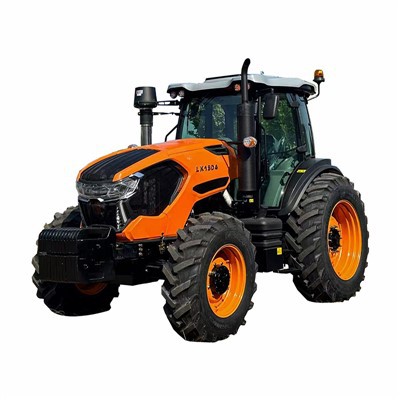
At the end of the day, your tractor is a big investment, and taking care of it with regular, correct oil changes is the best way to protect that investment. If you’re in the market for a new tractor, or if you have questions about maintenance for your current model, feel free to reach out to discuss your needs. We’re here to help you keep your equipment working for you, season after season.
Farm Implement References:
- Tractor Industry Maintenance Guidelines, North American Agricultural Equipment Association, 2022.
- Operator’s Manual Best Practices for Utility and Agricultural Tractors, Equipment Maintenance Council, 2021.
- Diesel Engine Oil Viscosity and Performance Specifications, American Petroleum Institute, 2023.
- Hydraulic System Maintenance for Heavy Equipment, National Association of Farm Equipment Dealers, 2022.
Shandong Ling Ke Industry Group Co., Ltd.
As one of the most professional tractor manufacturers and suppliers in China, we’re featured by quality products and good price. Please rest assured to buy cheap tractor for sale here from our factory. We also accept customized orders.
Address: Room 1505 Fortune International Commerce Building, No.4931 Beihai Road, Kuiwen District, Weifang City, Shandong Province, China
E-mail: aileenlin@sdlingkegroup.com
WebSite: https://www.lingketractor.com/
