If you’ve ever visited a pyrolysis plant, you know it’s a space where high heat, flammable gases, and complex chemical reactions are part of daily operations. As someone who’s spent 12 years supplying safety auxiliary equipment to pyrolysis facilities across North America and Europe, I’ve seen firsthand how skimping on safety gear doesn’t just risk compliance—it puts teams, the plant, and the community at stake. A few years back, I worked with a small plant in southern Ohio that skipped dedicated gas detection equipment; an undetected leak of pyrolysis gas led to a small explosion that shut them down for three months and cost far more than the equipment would have. That’s the kind of lesson that sticks, and it’s why I want to break down the non-negotiable safety auxiliary equipment every pyrolysis plant needs—no exceptions. Pyrolysis Plant Auxiliary Equipment
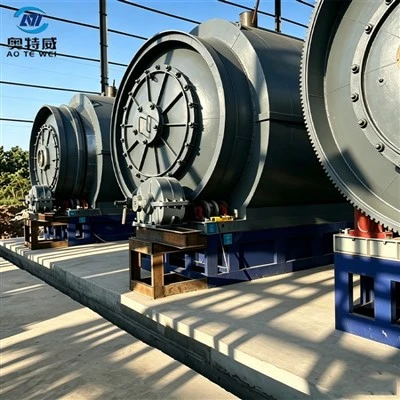
First, let’s ground this in what pyrolysis actually is: the process of heating organic materials (plastic, rubber, biomass, even municipal waste) in an oxygen-free environment to break them down into fuel oil, syngas, and carbon char. That inherently creates hazards: pyrolysis gases (a mix of methane, hydrogen, and volatile organic compounds) are highly flammable and explosive, the high temperatures (often 400–800°C) cause thermal burns and material degradation, and solid wastes like char can create dust explosions if not contained. So the safety equipment isn’t just for emergencies—it’s for 24/7 risk mitigation.
Let’s start with the most critical systems: gas detection and monitoring equipment. Pyrolysis plants rely on closed reactors, but seals wear, valves leak, and even small gaps can let dangerous gases escape. Fixed gas detection monitors are non-negotiable here. These aren’t just the handheld units operators might carry—they’re hardwired into the plant’s control system, with sensors placed in high-risk areas: around reactor discharge points, condenser units, storage tanks for finished fuel, and confined spaces like reactor interiors where workers might need to enter for maintenance. The best models for this work measure explosive gas levels (lower explosive limit, LEL) at a threshold of 25% or less, which is the safety standard to trigger alarms before a flammable concentration builds. I’ve seen plants cut corners on sensor calibration—they skip monthly checks—and that’s a mistake. I always recommend our clients schedule calibration with certified techs every 30 days, or after any incident that could expose sensors to high gas levels. Beyond fixed monitors, every operator needs a personal gas detector clipped to their hard hat: these are small, lightweight, and alert the wearer immediately if they step into a gas pocket, even if the plant’s central alarm is out. Confined space gas monitors are another key piece—when workers enter a reactor to clear char buildup, they need real-time readings for oxygen levels too, since an oxygen-deficient environment (caused by gas displacement) is just as deadly as a flammable mix.
Next, thermal safety equipment is non-negotiable, given pyrolysis’s extreme temperatures. The reactor itself is a hot vessel, but secondary systems like heat exchangers, piping, and condenser units can also reach temperatures that cause severe burns or, worse, pipe ruptures. First, high-temperature insulation isn’t just for energy efficiency—it’s a safety auxiliary. We supply ceramic fiber insulation with a minimum 1,200°C rating for reactor surfaces, and cladding that’s impact-resistant so workers don’t brush against hot metal. But insulation isn’t enough: every high-temperature piping run needs pressure relief valves (PRVs) sized specifically for pyrolysis service. These valves open automatically if pressure inside a pipe spikes, preventing rupture that could spray superheated fuel or gas. I’ve seen plants use standard PRVs, which can’t handle the unique pressure fluctuations of pyrolysis, leading to leaks. Pyrolysis-specific PRVs are calibrated to release at a pressure that’s below the reactor’s design limit, but high enough to avoid unnecessary shutdowns. Then there’s thermal imaging cameras—portable units operators use during daily inspections to spot hot spots on reactors or piping before they cause failures. Last year, a client in Michigan used a thermal camera to detect a 180°C hot spot on a reactor wall, which turned out to be a blocked cooling line. They fixed it before it caused a leak that would have shut down operations for weeks.
Fire suppression and protection systems are the backbone of any pyrolysis plant’s safety plan, and they need to be tailored to the specific hazards here—this isn’t a standard warehouse fire. Pyrolysis fires are class B (flammable liquids and gases) and sometimes class D (combustible char dust), so generic water-based sprinklers won’t work. The first layer is automatic fire suppression systems tailored to class B hazards: dry chemical systems or clean-agent (like FM-200) systems that don’t spread flammable liquids. We also install fire-rated barriers around storage tanks for fuel oil and syngas, which prevent a fire in one tank from spreading to adjacent units. For worker safety, every plant needs a dedicated firefighting station near high-risk areas, stocked with class B fire extinguishers, fire blankets (for small liquid or gas fires), and thermal imaging cameras for firefighters. Another often-overlooked piece is dust collection systems for char. Char is a fine combustible dust that can explode if it accumulates, especially in baghouse filters or conveyor systems. Our dust collection equipment has explosion venting panels and spark arrestors, which stop any sparks from equipment igniting dust buildup. I had a client in Texas that switched to our spark arrestors after a conveyor system sparked; before that, a small spark could have detonated a 500-pound pile of char dust. That’s the kind of risk that’s easily mitigated with the right equipment.
Confined space entry equipment is another critical category, since pyrolysis plants have lots of confined spaces: reactor interiors, piping tunnels, storage tank bottoms, and baghouse compartments. OSHA reports that confined space deaths are 16 times more likely than other workplace deaths, and pyrolysis plants are no exception. First, every entry into a confined space needs a system of checks: a permit-to-work process, but also auxiliary equipment like attendants stationed outside the space who maintain constant communication with the worker inside. We supply two-way radio systems with noise-canceling mics, since reactors are so loud that regular radios don’t work. We also supply retrieval systems: a tripod with a winch that can pull a worker out of a confined space quickly if they experience a gas exposure or thermal issue. I’ve seen plants skip retrieval systems because they think workers won’t need them, but in the last three years, three of our clients have used retrieval systems to pull out workers who collapsed from gas exposure. It’s equipment that only needs to be used once to be worth the cost.
Personal protective equipment (PPE) is the final layer, and it’s not just basic hard hats and gloves—pyrolysis-specific PPE is required. Every operator needs heat-resistant coveralls made ofNomex or Kevlar, not cotton, which can ignite if they brush against a hot surface or gas flame. Face shields with side protection are non-negotiable, plus safety goggles for areas with char dust. For workers who handle pyrolysis gases or fuel, chemical-resistant gloves (butyl rubber, not latex) are a must. And respiratory protection: N95 masks aren’t enough if there’s a flammable gas leak—operatives need self-contained breathing apparatus (SCBA) units, stored near every confined space entry point and in the main control room. SCBA units need monthly checks of air pressure and mask seals, which is a task we often help clients schedule as part of their annual equipment audits.
Beyond these core items, there are a few auxiliary pieces that many plants overlook but are critical. For example, emergency shutdown (ESD) systems integrated into the plant’s control room: these are automated systems that can shut off gas flow, cool the reactor, and close valves in 10 seconds or less if a gas leak or pressure spike is detected. Without an ESD, a small leak can escalate in minutes. Also, warning signage: we supply explosion-proof warning signs in multiple languages (for plants with international teams) that mark gas hazard areas, confined spaces, and hot surfaces—too many plants have faded or missing signs, which leads to accidental exposure.
I’ve worked with plants of all sizes, from small 1-ton-per-day operations to 50-ton-per-day facilities, and the common thread is that safety auxiliary equipment isn’t an expense—it’s an investment. A small pyrolysis plant might invest $15,000 in the core safety gear I’ve outlined, and that’s far less than the $100,000+ cost of a single accident, plus the lost revenue from shutdowns.
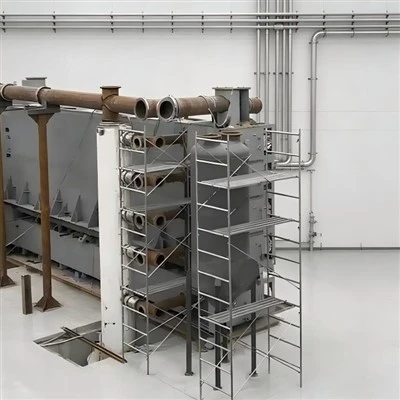
If you’re a plant manager, safety supervisor, or operations lead looking to audit your current equipment, or if you’re building a new pyrolysis facility and want to ensure you’re meeting OSHA, EPA, and international safety standards, I’m here to help. We don’t just sell equipment—we work with your team to design a safety system tailored to your specific plant’s layout, material feedstock, and operational needs. Contact our team to schedule a site assessment, review your current equipment list, or get a custom quote for auxiliary safety gear that will keep your workers safe and your plant compliant. We’re ready to support your safety goals, no matter the size of your operation.
Oil Processing Plant References
OSHA. (2022). Pyrolysis Safety Guidelines. Occupational Safety and Health Administration.
European Commission. (2021). Safety Standards for Waste Pyrolysis Facilities. EU Industrial Safety Bureau.
National Fire Protection Association (NFPA). (2020). NFPA 86: Standard for Ovens and Furnaces. NFPA.
American Petroleum Institute (API). (2019). Safety Equipment for Chemical Processing Plants. API Recommended Practice 521.
International Organization for Standardization (ISO). (2022). ISO 14001: Environmental Management Systems for Pyrolysis Operations. ISO.
Shangqiu Aotewei Environmental Protection Equipment Co., Ltd.
Shangqiu Aotewei Environmental Protection Equipment Co., Ltd. is one of the most professional pyrolysis plant auxiliary equipment manufacturers and suppliers in China, also supports customized service. Please feel free to buy CE approved pyrolysis plant auxiliary equipment at competitive price from our factory. Welcome to contact us for pricelist.
Address: No.88 Longhai Road, Liangyuan District, Shangqiu City, Henan Province, China
E-mail: colin@henanpower.com.cn
WebSite: https://www.aoteweitech.com/
